
Pet Anxiety: Signs, Causes, and How to Help Your Dog or Cat Feel Calm

Your dog paces every time you grab your keys. Your cat disappears the moment a visitor knocks. Maybe your pet has started having accidents, guarding their food bowl, or barking at sounds that never bothered them before. It's easy to see these as bad behavior, but very often, they're signs of something else: anxiety.
Anxiety is one of the most common challenges pet owners face, and one of the most misunderstood. Anxious pets aren't being stubborn, spiteful, or difficult. They're feeling worried or unsafe, and their behavior is how they cope. The good news is that once you understand what's going on, there's a lot you can do to help.
In this guide, we'll walk through what pet anxiety is, the signs to watch for, what causes it, and the different forms it can take. We'll also share both practical and holistic ways to help your dog or cat feel calmer, and when it's time to bring in your veterinarian. Throughout, you'll find links to our more in-depth posts on specific topics, so you can dig deeper into whatever your pet needs most.
What Is Pet Anxiety?
Every animal feels fear from time to time, and that's healthy. Fear is a natural response that helps animals react to real danger. A dog who startles at a loud crash or a cat who bolts from a barking dog is responding exactly the way their body is designed to.

Anxiety is a little different. While fear is a reaction to something happening right now, anxiety is the worry that something bad might happen. An anxious dog might start trembling as soon as the car turns toward the vet's office. An anxious cat might hide every time the carrier comes out, even if it's just being moved to the closet.
Occasional anxiety is normal, especially around big changes or stressful events. It becomes a concern when it's frequent, intense, or starts affecting your pet's everyday life, like when they can't settle, stop eating, struggle when left alone, or react strongly to things most pets would barely notice.
Anxiety and stress are closely linked, too. When a pet feels anxious, their body responds with stress: a faster heart rate, tense muscles, and a rise in stress hormones. Over time, ongoing stress can affect everything from digestion and sleep to their overall well-being and behavior. If you'd like to learn more about how stress affects pets and ways to support them, see our guide on managing stress in pets.
The key thing to remember is that anxiety isn't a personality flaw or a training failure. It's an emotional state, and like any emotional state, it can be understood, supported, and often improved with patience and the right approach.
Signs Your Pet May Be Anxious
Anxiety doesn't always look like shaking or hiding. Many signs are subtle, and some can easily be mistaken for stubbornness, boredom, or "acting out." Learning to spot them early makes it much easier to help your pet before their anxiety escalates.
Signs of Anxiety in Dogs

Common signs include pacing, panting when they aren't hot or tired, trembling, lip licking, yawning, a tucked tail, ears pulled back, or showing the whites of their eyes. Some dogs become clingy and follow you from room to room, while others withdraw and hide. You might also notice excessive barking or whining, destructive chewing or digging, accidents in the house, or a dog who suddenly won't take treats they normally love.
Signs of Anxiety in Cats
Cats tend to show anxiety more quietly. Watch for hiding more than usual, a crouched or tucked body, flattened ears, dilated pupils, or a flicking tail. Changes in routine behaviors are often the biggest clue: over-grooming (sometimes to the point of bald patches), eating less, sleeping in unusual places, scratching more, or going to the bathroom outside the litter box.
Changes Are Often the Biggest Clue
For both dogs and cats, one of the most important things to notice is change. A normally social pet who starts avoiding people, a laid-back pet who suddenly becomes reactive, or a pet whose sleeping, eating, or bathroom habits shift can all be telling you something isn't right.
If you'd like a closer look at your pet's body language, Fear Free offers free visual guides for dogs and cats that break down signs from relaxed to highly stressed. You can also learn how we read these signals during sessions in our post on what Fear Free means in sessions.
Common Causes of Pet Anxiety
Anxiety rarely comes from just one thing. Often, it's a mix of your pet's personality, past experiences, and what's happening in their environment. Understanding the cause can help you choose the right way to support them.

Past experiences: A frightening or painful experience, like a rough vet visit, a dog attack, or being lost, can leave a lasting impression. Rescue pets in particular may carry experiences we don't know about.
Lack of early socialization: Puppies and kittens who didn't get gentle, positive exposure to new people, places, sounds, and handling during their early months may find the world more overwhelming as adults.
Genetics and personality: Just like people, some pets are naturally more sensitive or cautious than others. Certain breeds can also be more prone to anxiety, but every animal is an individual.
Changes at home: Moving, a new baby, a new pet, a family member leaving, a change in work schedules, or even rearranged furniture can unsettle pets who thrive on routine.
Noise and events: Fireworks, thunderstorms, construction, holidays, and busy gatherings are common triggers, especially for sound-sensitive pets.
Being left alone: Some pets struggle when separated from their people, which can lead to distress whenever you leave the house.
Pain or illness: This one is easy to overlook. Pets in pain or feeling unwell often become more anxious, irritable, or withdrawn. Arthritis, dental pain, digestive upset, and many other health issues can show up as behavior changes first. If your pet's anxiety appears suddenly or comes with physical changes, a visit to your veterinarian is always a good first step.
Types of Anxiety and Anxiety-Related Behaviors
Anxiety can show up in many different ways, and each type has its own triggers and approaches. Here's a quick look at some of the most common, with links to our in-depth guides if you'd like to learn more.

Separation Anxiety
Separation anxiety happens when a pet becomes distressed when left alone or separated from their person. Dogs may bark, howl, chew doors or furniture, have accidents, or try to escape. Cats can be affected, too, sometimes showing it through over-grooming, vocalizing, or going outside the litter box while you're away. It's one of the most common forms of anxiety in dogs, and it often requires a gradual, patient approach. Learn more in our guide to separation anxiety.
Noise and Event Anxiety
Fireworks, thunderstorms, construction, holidays, and parties can all be overwhelming for sound-sensitive pets. You might see trembling, hiding, pacing, panting, or attempts to escape. Preparation makes a big difference, like creating a safe space ahead of time and keeping routines steady. For practical tips around one of the busiest nights of the year, see our Halloween tips for anxious pets or calming for thunderstorms and fireworks.
Resource Guarding
Resource guarding is when a pet becomes protective of things they value, like food, toys, beds, or even a favorite person. It can look like stiffening, growling, snapping, or eating faster when someone approaches. While it can seem like aggression, it's often rooted in anxiety, a worry that something important might be taken away. Learn how to recognize and manage it in our post on resource guarding.

Litter Box Issues in Cats
When a cat starts going outside the litter box, it's rarely about spite. Stress and anxiety from changes at home, conflict with other pets, or an uncomfortable litter box setup are common causes. However, urinary and other medical issues can also be behind it, so a vet check is important. We cover causes and solutions in our guide to peeing outside the litter box.
Handling and Vet Visit Anxiety
Many pets become anxious when they're handled, restrained, or taken somewhere unfamiliar, especially for vet visits, grooming, or nail trims. Past negative experiences can make each visit harder than the last. Choosing professionals who use a low-stress approach can help break that cycle.
How to Help an Anxious Pet
There's no single fix for anxiety, but small, consistent changes can make a big difference. Often, the most effective approach combines a few of these strategies.
Create a Safe Space
Every anxious pet needs a place where they can retreat and feel secure. For dogs, that might be a covered crate, a cozy bed in a quiet corner, or a room away from busy areas. For cats, think about hiding spots and high places, like cat trees, shelves, or a covered bed. Make the space comfortable with familiar bedding and a few favorite toys, and let it be off-limits to visitors and other pets so your pet knows nothing will bother them there.
Keep a Predictable Routine
Animals feel safer when they know what to expect. Consistent times for meals, walks, play, and rest help reduce worry. When changes are unavoidable, like a move or a new schedule, try to introduce them gradually and keep as many familiar parts of the routine in place as possible.
Provide Enrichment and Exercise
A bored or under-stimulated pet often has more energy to channel into anxious behavior. Daily exercise suited to your pet's age and health, along with mental enrichment like puzzle feeders, snuffle mats, sniff walks, and play sessions, can help them feel more balanced. For cats, interactive play with wand toys lets them practice natural hunting behaviors, which can be very calming.
Use Positive Reinforcement and Gradual Exposure
Rewarding calm behavior with treats, praise, or play helps your pet learn that calm feels good. For specific triggers, like the doorbell or the carrier, gradual exposure paired with something positive can slowly change how your pet feels about them. Start at a level where your pet notices the trigger but stays relaxed, reward them, and build up slowly over time. Moving too fast can make fear worse, so let your pet's comfort set the pace.
For dogs who need more structured help, working with a team that may include your veterinarian, a positive reinforcement trainer, and holistic support can make a big difference. Learn more in our post on behavior modification for dogs.
Try Calming Acupressure
Acupressure is a gentle, hands-on way to help your pet relax, and it can become a soothing ritual you both enjoy. Points like Yin Tang, in the center of the forehead, are favorites for calming. Practice during calm moments first, so your pet already associates it with relaxation before a stressful event. For a few easy points to start with, see our guide to calming acupressure points, and our acupressure charts make it easy to find them anytime.
Want all four of our favorite calming points with a simple diagram? Grab our free Calming Acupressure Points guide. Get the free guide here.
Consider Red Light Therapy
Many animals find red light therapy sessions relaxing, and the quiet, gentle routine can become a calming part of their week. As with acupressure, introduce it slowly and let your pet decide how comfortable they are with the device or pad.
Calming Aids
Some pets benefit from additional support, like pheromone diffusers, calming wraps, soft music, or white noise to mask outside sounds.
CBD is another option many owners are curious about. Short for cannabidiol, CBD comes from the cannabis plant and doesn't cause a "high." It works with the endocannabinoid system, a network in the body that helps regulate mood, sleep, and the stress response, which is why many owners use it to help their pets feel calmer. Pet CBD products come in a few forms: full-spectrum (which contains trace amounts of THC along with other plant compounds), broad-spectrum (THC removed), and isolate (CBD only). Avoid any product with more than trace THC, since THC can be toxic to pets.
CBD can be given daily as part of a wellness routine, or shortly before a known stressor like a thunderstorm, fireworks, or travel. Giving it with meals can help with absorption. Choose a high-quality product made specifically for pets, with third-party lab results (a Certificate of Analysis) to confirm what's in it, and watch for side effects like drowsiness, appetite changes, or an upset stomach. Laws around CBD vary by location, so check the rules where you live.

Herbal calming supplements are another popular choice. Ingredients like chamomile, valerian root, and L-theanine are found in many calming chews and can be especially helpful around stressful events. Keep in mind that some herbs affect cats differently than dogs. Valerian root, for example, can excite some cats rather than calm them.
Like most calming aids, CBD and supplements tend to work best alongside behavior training, a safe space, and a calm environment rather than on their own. Always talk with your veterinarian before starting any supplement, especially if your pet takes other medications.
If you're looking for a natural option, we like NHV Natural Pet's calming supplements, which use herbal ingredients to support relaxation. (Affiliate link: we may earn a small commission at no extra cost to you.)
Choose Low-Stress Professionals
Vet visits, grooming, and other appointments can be a major source of anxiety. Working with professionals who prioritize your pet's emotional well-being can prevent new fears from forming and help ease existing ones. Search for certified professionals near you in the Fear Free Directory.
Stay Calm Yourself
Pets are remarkably tuned in to our emotions. Staying calm, speaking softly, and avoiding big reactions to their anxious behavior helps show them there's nothing to fear. Comforting your pet is perfectly okay, too. Gentle reassurance won't "reward" fear, and it can help them feel safer.
A Holistic Look at Pet Anxiety
While Western behavior science focuses on triggers, body language, and training, Traditional Chinese Medicine (TCM) offers another way to understand anxiety, one that looks at the whole animal: body, mind, and spirit together.
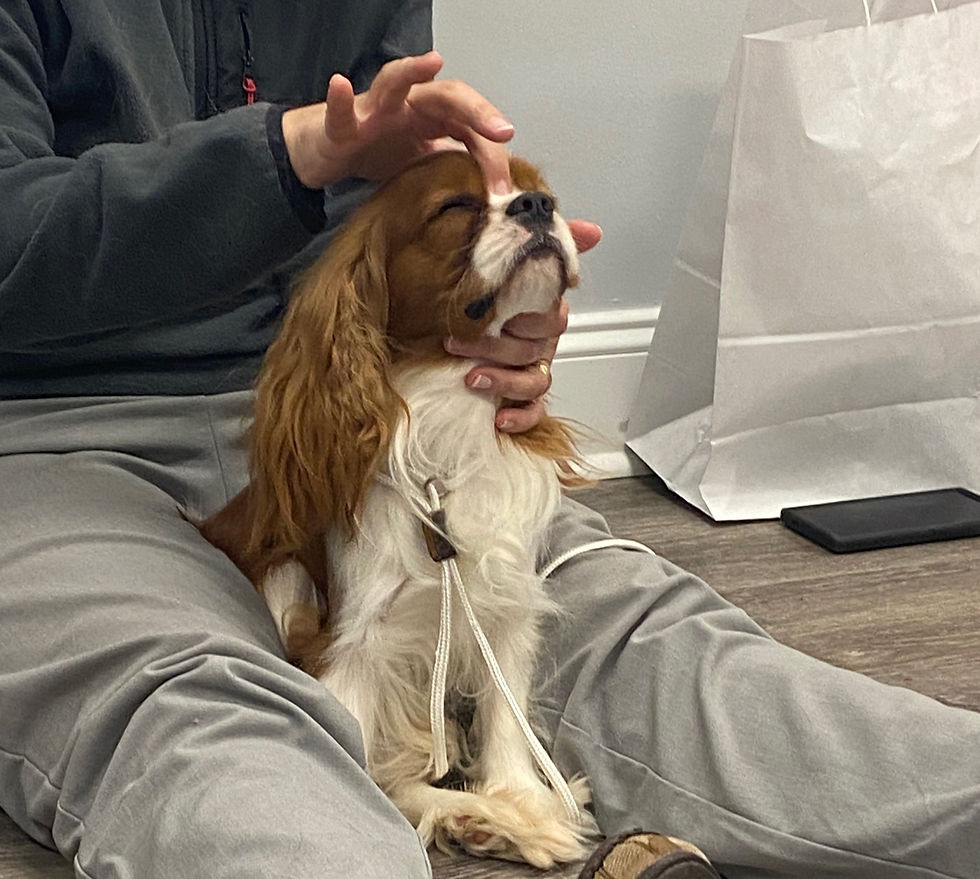
In TCM, emotions aren't separate from the body. Each emotion is connected to specific organ systems and energy pathways, called meridians. When an emotion becomes excessive or long-lasting, it can create imbalance in the body, and physical imbalance can affect emotions in return. That's why an anxious pet may also show physical patterns, like digestive upset, changes in urination, or tension in certain areas of the body.
The Water Element and Fear
Five Element Theory is one of the core frameworks in TCM, and each of the five elements (Wood, Fire, Earth, Metal, and Water) is associated with certain organs, seasons, and emotions. Fear belongs to the Water Element, which is connected to the Kidney and Bladder.
Animals with a strong Water Element nature are often naturally cautious, sensitive, and observant. They may hesitate in new situations, startle easily, or prefer to watch from a distance before engaging. When the Water Element is out of balance, fear can become more intense or persistent, and you might notice things like hiding, trembling, clinginess, or changes in bathroom habits.
Anxiety isn't only tied to Water, though. In TCM, the Heart houses the Shen, or spirit, and when the Shen is unsettled, an animal may seem restless, easily startled, or unable to settle. This is why calming points like Yin Tang are so popular for anxious animals.
Looking at anxiety through this lens can help explain why two pets with similar experiences react so differently, and it opens up gentle, supportive options like acupressure that work alongside behavior and veterinary care. To learn more about how fear and anxiety connect to the Water Element, see our post on why your pet may be anxious.
If you'd like to go even deeper, our book Five Element Theory for Animals and our Five Element Theory course explore each element, its emotions, and how to support balance in your animals.
What Not to Do With an Anxious Pet

When you're trying to help, it's easy to accidentally make anxiety worse. Here are some common pitfalls to avoid.
Don't punish anxious behavior: Scolding a pet for barking, hiding, having an accident, or growling doesn't address the fear behind it. It only adds more stress, and it can teach them to hide their warning signs, which makes them harder to read and can lead to bigger reactions later.
Avoid aversive tools: Shock collars, prong collars, spray bottles, and other tools that rely on discomfort or startling a pet can increase fear and damage trust. Gentle, reward-based methods are kinder and more effective for anxious pets.
Don't force them to face their fears: Pushing a fearful pet straight into the thing that scares them, like dragging a dog toward a busy street or holding a cat while visitors pet them, is called flooding. Rather than helping, it often makes fear stronger. Progress should always happen at your pet's pace.
Don't force interactions: Let your pet choose when to approach new people or animals. Allowing them to observe from a safe distance builds confidence much faster than making them say hello.
Don't assume they'll grow out of it: Some pets do become more confident with age and experience, but many anxious behaviors get worse without support. Addressing anxiety early is much easier than working through it once it's deeply established.
Don't change everything at once: Trying several new strategies, products, and routines all at the same time can feel overwhelming to your pet, and makes it hard to tell what's actually helping. Introduce changes gradually.
When to Talk to Your Veterinarian
Holistic support and behavior strategies can make a real difference, but some situations call for your veterinarian first. Reach out if you notice:
Sudden behavior changes, especially in a pet who was previously relaxed
New or increasing aggression
Self-injury, like excessive licking, chewing, or over-grooming that causes wounds or bald patches
Changes in appetite, especially a pet who stops eating (in cats, not eating can become serious quickly)
Bathroom changes, like accidents, straining, or frequent urination (a cat straining to urinate is an emergency)
Anxiety that's affecting your pet's quality of life or your household's safety
Since pain and illness are common hidden causes of anxiety, a veterinary exam can rule out medical issues before you focus on behavior. For more severe or complex cases, your vet may refer you to a veterinary behaviorist, a veterinarian with advanced training in animal behavior.
Some pets also benefit from anti-anxiety medication. That decision always belongs to your veterinarian, and medication can work alongside acupressure, red light therapy, and behavior strategies as part of a whole-animal approach to helping your pet feel their best.
Frequently Asked Questions
Can pets grow out of anxiety? Some pets become more confident with age, positive experiences, and a stable routine, especially young animals going through a fearful phase. But many anxious behaviors stay the same or get worse without support. The earlier you start helping your pet, the easier it usually is to make progress.
Are certain breeds more prone to anxiety? Genetics can play a role, and some breeds tend to be more sensitive, noise-reactive, or attached to their people than others. Still, every animal is an individual. Personality, early socialization, and life experiences matter just as much as breed.
Can my stress affect my pet? It can. Pets are very tuned in to our moods, body language, and routines, and some research suggests that dogs' long-term stress levels can mirror their owners'. Taking care of your own stress, and staying calm during your pet's anxious moments, can genuinely help them feel more secure.
Is it okay to comfort my anxious pet? Yes. Gentle comfort won't reinforce fear. Calm reassurance, a soft voice, or simply sitting nearby can help your pet feel safer. The key is to stay relaxed yourself, so your comfort feels steady rather than worried.
How long does it take to help an anxious pet? It depends on your pet, the type of anxiety, and how long it's been going on. Some pets improve within a few weeks of small changes, while others need months of patient, consistent support. Progress often comes in small steps, so celebrate every bit of it.
Can acupressure help an anxious pet? Many owners find acupressure a wonderful addition to their pet's routine. Its calm, steady touch can help pets relax, and practicing it regularly can become a bonding ritual you both look forward to. It works best alongside a safe environment, a predictable routine, and veterinary care when needed.
Helping Your Pet Feel Safe
Anxiety can be hard to watch, but you're not powerless. By learning your pet's signals, understanding what might be behind their worry, and offering patience, routine, and gentle support, you can help them feel safer in their world, one small step at a time.
Every pet is different, so be curious, be patient, and remember that progress isn't always a straight line. What matters most is that your pet knows they have someone in their corner.
Want to learn more ways to support your pet's emotional well-being? Our online acupressure courses for dogs and cats teach you calming points and techniques step by step, our acupressure charts make it easy to find the right points anytime, and our book Five Element Theory for Animals explores how emotions and the body connect.


