
More Than Just Hay: Why Alfalfa Deserves a Spot in Your Horse's Routine
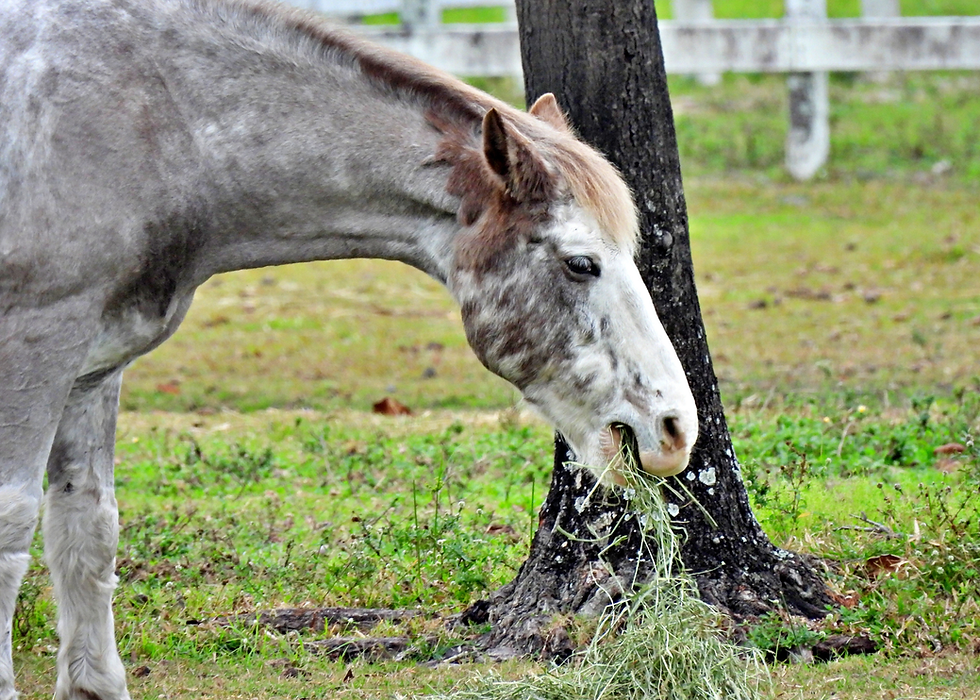
If you've been around horses long enough, you've probably heard someone mention alfalfa — maybe as something to avoid, or maybe as a barn staple that's been around forever. And honestly? Both camps have a point. Alfalfa is one of those feeds that gets a lot of opinions thrown at it, but when you understand what it actually does in a horse's body, it starts to make a lot of sense why it's been fed to horses for thousands of years.
Here's the thing — alfalfa isn't just hay. When used thoughtfully, it can work more like a targeted supplement, supporting your horse's digestive health, helping to buffer stomach acid, and offering a low-sugar, low-starch forage option for horses who need to watch their carbohydrate intake. That's a lot of boxes checked by something that grows in a field.
In this post, we're breaking down why alfalfa deserves a closer look, who it benefits most, and how to use it in a way that actually works for your horse — without overcomplicating it.
What Is Alfalfa Anyway?

If you've been around horses for any length of time, you've heard the word alfalfa thrown around constantly. But what actually is it? Let's break it down real quick because understanding what alfalfa is makes it a lot easier to understand why it does what it does in your horse's body.
Alfalfa (Medicago sativa) is a legume — not a grass. That distinction matters more than you might think. While your typical horse hay like timothy, orchard grass, or bermuda are all grasses, alfalfa is in the same plant family as clover and soybeans. That's a big part of why its nutritional profile looks so different from what most horses eat as their everyday forage.
It's also one of the oldest cultivated crops in the world, with records of it being grown as horse feed going back roughly 5,000 years. Clearly it's stood the test of time for a reason.
In terms of what it looks like — alfalfa hay tends to be stemmy with small, fine leaves and often has a brighter, greener color than grass hay when it's good quality. You might also notice it has a slightly sweeter smell than regular hay, which is a big part of why horses tend to love it so much.
In the United States it's grown widely across the country, with some of the most well known production coming out of western states like California, Idaho, and Nevada — though you'll find it grown regionally across the country including right here in the Southeast.
What Makes Alfalfa Different From Regular Hay?

Not all hay is created equal, and alfalfa is kind of the overachiever of the forage world. While your typical grass hay like timothy or orchard grass does the job, alfalfa brings a noticeably richer nutritional profile to the table — which is exactly why it can pull double duty as both a forage and a functional supplement.
Alfalfa is packed with vitamins A, E, and K, along with key minerals like calcium, magnesium, copper, and zinc. That calcium content is one of the big reasons it gets so much attention in the horse health world — we'll dig into exactly why in the next section. The copper and zinc are a nice bonus too, as they play a role in coat health, helping support that deep color and dappling you love to see on a healthy horse.
On the protein side, alfalfa contains roughly 15–25% crude protein, compared to around 10% in most grass hays. That higher protein level isn't just about muscle — it also plays a direct role in gut health, which we'll get into shortly.
One thing worth knowing upfront: alfalfa is more calorie-dense than grass hay. That's great news for hard keepers, performance horses, or horses recovering from illness. For easy keepers, it just means you're a little more mindful about how much you're feeding — which is true of most good things, honestly.
The bottom line? Alfalfa isn't just filler. It's a nutrient-dense forage that, when fed correctly, can do a lot of work in your horse's diet beyond just keeping the hay net full.
What to Look for When Buying Alfalfa

Not all alfalfa is created equal, and knowing what to look for can make a real difference in the quality of what you're feeding. Whether you're buying bales, cubes, or pellets, here are a few simple things to keep in mind.
Color: Good quality alfalfa hay should be green — not yellow, not brown. That bright green color tells you the nutrients are intact and it was harvested and stored properly. Yellowing or bleaching usually means it was either rained on, sun bleached, or has been sitting too long. A little fading on the outside of a bale is normal, but the inside should still be green when you break it open.
Smell: Fresh alfalfa has a pleasant, slightly sweet smell that horses find irresistible. If it smells musty, dusty, or off in any way put it back. Musty smell almost always means moisture got in at some point and mold is a very real concern — something you absolutely don't want going into your horse's digestive system.
Leaf to Stem Ratio: The leaves are where most of the nutrition lives in alfalfa. A higher leaf to stem ratio generally means better quality and higher protein content. Good alfalfa should look leafy and full rather than mostly coarse stems with very little leaf material attached.
Maturity at Harvest: Alfalfa harvested earlier in its growth stage tends to be leafier, higher in protein, and more digestible. Later cut alfalfa gets stemmy and coarser. First and second cutting alfalfa is generally considered good quality — though this can vary by region and growing conditions.
Cubes and Pellets: For cubes and pellets, look for products that list alfalfa as the primary or sole ingredient with no added molasses or fillers. They should be firm, uniform in color, and smell fresh and clean. Brands like Standlee are widely available and have a good reputation for consistent quality, but your local feed store may carry regional options that are equally good and fresher.
Forage Testing: If you're feeding alfalfa regularly and especially if you have a horse with specific health needs, getting a forage analysis done is worth the small investment. It tells you exactly what NSC, protein, and calcium levels you're working with so you can balance the rest of the diet accordingly. Your local agricultural extension office can often point you toward affordable testing options.
Alfalfa as a Treat and High-Value Reward

Here's the fun part — alfalfa isn't just a serious nutrition topic. It's also one of the best and most underrated treats you can offer your horse, and it's worth talking about because not every treat option out there is actually good for them.
Alfalfa cubes and pellets have become really popular as training rewards, and for good reason. Horses are genuinely crazy about them. That natural sweetness and rich smell makes alfalfa incredibly palatable — most horses will work hard for a cube the same way they would for a commercial treat, minus the added sugars, molasses, and mystery ingredients that come with a lot of bagged treats on the market.
From a holistic wellness perspective that's a pretty big deal. When you're using treats as part of your handling, groundwork, or bodywork routine, what you're reaching for matters. Alfalfa cubes give you a high-value reward that your horse loves without loading them up with unnecessary sugar — which is especially relevant if you're working with a horse that needs to watch their diet.
Cubes are also really practical as a treat format. They're easy to break into smaller pieces, not messy, easy to keep in a pocket or treat pouch, and they store well. Pellets work similarly and are a little smaller if you want a lower calorie reward for a horse that doesn't need the extra nutrition.
A few ideas for using alfalfa as a treat:
Groundwork and liberty training rewards
Positive reinforcement during grooming or tacking up
Keeping a nervous or stressed horse calm during bodywork sessions
Encouraging a picky or off-feed horse to eat
Alfalfa and Ulcers: Your Horse's Stomach Will Thank You

If you've ever dealt with an ulcer-prone horse, you know how frustrating it can be. The girthiness, the attitude under saddle, the picky eating — it's a lot. And while alfalfa isn't a magic cure, it's one of the most practical and natural tools you can add to your management routine to help protect that stomach lining.
Here's what's actually happening: a horse's stomach produces acid continuously — 24 hours a day, whether they've eaten or not. When the stomach sits empty, that acid has nothing to buffer against, and the sensitive upper portion of the stomach takes the hit. Alfalfa helps combat this in a couple of really important ways.
First, the calcium. Alfalfa has higher calcium content than just about any other forage, and calcium is naturally alkaline — meaning it helps neutralize stomach acid and raise the stomach's pH. Think of it like a natural antacid working from the inside. Research has actually shown that horses fed alfalfa had significantly higher stomach pH for several hours after feeding compared to horses fed grass hay, and fewer and less severe ulcers overall.
Second, the fiber mat. When your horse eats long-stem or chopped alfalfa, it creates a physical layer in the stomach that acts almost like a buffer between the acidic lower portion of the stomach and the vulnerable upper portion. This is especially important during exercise, when movement can cause stomach acid to splash upward. A really practical tip: feed a good double handful of chopped alfalfa about 20–30 minutes before you ride. It's a simple habit that can make a real difference over time.
Third, the protein. Alfalfa's higher protein content also contributes to buffering stomach acid throughout the digestive tract — another layer of protection that grass hay just doesn't offer at the same level.
One important note on form: long-stem or chopped alfalfa is the way to go here. Finely ground alfalfa doesn't provide the same physical buffering benefits and may actually cause some irritation to the stomach lining, so skip the powdered versions for ulcer support.
And as always — if your horse has been diagnosed with ulcers, alfalfa is a great piece of the puzzle but work with your vet on the full picture. Think of it as support, not a standalone treatment.
Alfalfa and the Metabolic Horse: What You Need to Know
Metabolic conditions in horses are becoming increasingly common, and if you're managing one of these horses you already know how carefully you have to think about every single thing that goes in their feed bucket. So where does alfalfa fit in? The honest answer is: it depends on the horse.
Here's something that surprises a lot of owners — alfalfa actually has a lower sugar and starch content than many common grass hays like timothy or orchard grass. That low NSC (non-structural carbohydrate) profile is genuinely good news for certain horses. But alfalfa is also calorie-dense, which means it's not a one-size-fits-all answer. Let's break it down.
Where alfalfa can be a helpful tool:

For horses diagnosed with PPID (commonly known as Cushing's disease) that are underweight or experiencing muscle wasting, alfalfa can actually be a valuable part of their diet. PPID horses often struggle to maintain weight and topline, and alfalfa's rich amino acid profile makes it a strong option for supporting muscle protein synthesis and healthy body condition — without leaning on grain-based feeds to make up the calories. For senior PPID horses who are picky eaters or have dental challenges, soaked alfalfa cubes can be a particularly practical and palatable solution.
For deeper reading on PPID nutrition, Kentucky Equine Research has well-researched guides worth bookmarking.
Where you need to proceed with caution:
For horses with Equine Metabolic Syndrome (EMS) or insulin resistance (IR), the picture is more complicated. While alfalfa's low NSC is technically a point in its favor, its higher calorie content from protein can be problematic for horses that are overweight and need to shed pounds. Some IR horses have also shown sensitivity to alfalfa in ways that researchers are still working to fully understand — including an increased laminitis risk in certain cases.
If your horse has been diagnosed with EMS, IR, or is a known easy keeper with a history of laminitis, this is absolutely a conversation to have with your veterinarian before adding alfalfa to the diet. Every horse is an individual, and what works for one may not work for another.
The bottom line: alfalfa isn't automatically off the table for metabolic horses — but it's not automatically safe either. Get the guidance, do the bloodwork, and make an informed decision with your vet in your corner.
How to Feed Alfalfa: Forms, Timing, and a Few Practical Tips
One of the great things about alfalfa is how versatile it is. It comes in several forms, and honestly the best one depends on what you're trying to accomplish and what works for your horse and your barn routine.
Long-Stem Hay

This is the most traditional form and works great as a forage base or supplement alongside your regular grass hay. It encourages natural chewing behavior, supports good gut motility, and provides that physical fiber mat in the stomach we talked about in the ulcer section. If you're using alfalfa to support digestive health, long-stem is a solid choice.
Chopped Alfalfa
Chopped alfalfa is one of the most practical forms for targeted use. It's easy to portion, mixes well into a feed bucket, and is ideal for feeding before exercise. A good double handful about 20–30 minutes before you ride can help protect the stomach from acid splash during movement. It's also a great option for senior horses or horses with dental issues who struggle with long-stem hay.
Alfalfa Cubes
Cubes are convenient, easy to store, and horses tend to love them — which makes them a great treat option or a practical way to add alfalfa to the diet without feeding a full flake of hay. For horses that need alfalfa but in controlled amounts, cubes make portioning really straightforward. Soaking them is a good idea for older horses or anyone with dental concerns, and it adds a little hydration to the diet as a bonus.
Alfalfa Pellets
Pellets are the most compact and easy to store form. They work well mixed into a feed ration and are useful when you want the nutritional benefits of alfalfa in a smaller, more controlled serving. Just keep in mind that pellets don't provide the same physical fiber mat benefit as long-stem or chopped, so they're better suited as a nutritional supplement than a digestive buffer.

A Note on Form for Ulcer Support
If ulcer prevention is your main goal, stick to long-stem or chopped alfalfa. Finely ground or powdered alfalfa doesn't create the same protective fiber layer and may actually cause some irritation — so the form really does matter here.
Timing Tips
Feed alfalfa before exercise, not just after — that pre-ride window is where it does a lot of its best stomach-protective work
Use slow feeders or hay nets when feeding alfalfa hay to prevent gorging, since horses find it very palatable and will eat it quickly if given the chance
Introduce it gradually if your horse isn't used to it — any forage change should be a slow transition to keep the gut microbiome happy
How Alfalfa Fits Into Your Horse's Overall Diet
One of the most common questions horse owners have when they start exploring alfalfa is whether it replaces their regular hay or just gets added on top of it. It's a great question and the answer really depends on what you're trying to accomplish.
For most horses, alfalfa works best as a supplement to their existing forage rather than a complete replacement. A typical approach is to feed a base of grass hay — your timothy, orchard grass, or bermuda — and then add alfalfa on top of that in whatever form makes sense for your goals. This gives your horse the benefits of alfalfa without tipping the scales on calories or protein to a level that's more than they need.
A common feeding ratio you'll see recommended is roughly 80% grass hay to 20% alfalfa for a horse in regular work that just needs some digestive support and a nutritional boost. For hard keepers or horses with higher protein needs like performance horses or seniors, that ratio might shift more toward 50/50. There's no single magic number — it really comes down to your individual horse, their workload, and their body condition.
What you want to avoid is swapping out all of your grass hay for alfalfa unless you have a specific reason to do so and ideally some guidance from your vet or an equine nutritionist. Too much of a good thing is still too much — the higher calorie and protein content of alfalfa means that feeding it as a sole forage source can lead to weight gain and nutrient imbalances over time for the average horse.
The good news is that alfalfa plays really nicely alongside other feed components. It pairs well with a ration balancer, complements beet pulp nicely for horses that need extra digestible fiber, and can help reduce the amount of grain needed in a performance horse's diet — which is always a good thing for gut health.
As a general rule, any forage change should be made gradually over 7 to 10 days to give your horse's digestive system and gut microbiome time to adjust. That applies to adding alfalfa just as much as any other feed change.
Which Horses Benefit Most from Alfalfa?
Alfalfa isn't the right fit for every horse in every situation, but there's a pretty solid list of horses that can genuinely thrive with it in their routine. Here's a quick rundown:
Ulcer-Prone Horses: If your horse has a history of ulcers, is in heavy work, or shows signs of gastric discomfort, alfalfa is one of the most practical and natural tools you can add to your management plan. The buffering effect on stomach acid is well-researched and the pre-ride feeding habit alone can make a meaningful difference.
Performance and Competition Horses: Horses in regular work have higher nutritional demands and are also more susceptible to gastric ulcers due to the stress of training, travel, and competition. Alfalfa helps meet both needs — extra calories and protein without heavy grain loading, plus ongoing stomach protection.
Hard Keepers: For horses that struggle to maintain weight, alfalfa's higher calorie and protein density makes it a really efficient way to add condition without piling on grain. It's a much more gut-friendly way to add calories.
Senior Horses: Older horses often need more digestible protein to maintain muscle mass and topline. Alfalfa's amino acid profile is excellent for this, and soaked cubes are a practical solution for seniors with dental challenges who can't manage long-stem hay well.
Horses Recovering from Illness or Injury: The higher protein content supports tissue repair, and the palatability of alfalfa means even picky or off-feed horses are usually willing to eat it — which matters a lot during recovery.
Underweight PPID Horses: As we covered in the metabolic section, PPID horses that need to gain weight or rebuild muscle can benefit from alfalfa as part of a vet-guided nutrition plan.
Supporting the Whole Horse: Gut Health Is Just the Beginning
At Poll to Pastern Holistics, we're always looking at the bigger picture when it comes to your horse's wellness. Nutrition is a foundational piece of that puzzle — and what happens in the gut doesn't stay in the gut. Digestive discomfort, ulcers, and metabolic imbalances all show up in the way your horse moves, behaves, and feels in their body every single day.

A horse dealing with gastric discomfort is often tight through the back, resistant under saddle, and generally just not themselves. When you address what's happening internally — through smart nutrition choices like alfalfa — you often start to see improvements that ripple outward. Better movement. More relaxed behavior. A horse that's genuinely comfortable in their own skin.
That's where holistic modalities come in beautifully alongside good nutrition. Acupressure can help support the body's natural response to digestive stress and tension patterns that develop around chronic discomfort. Red light therapy supports cellular health and recovery throughout the body, including the tissues of the digestive tract. And kinesiology taping can help address the compensatory tension that builds up in the topline and hindquarters of a horse that's been uncomfortable for a while.
None of these tools work in isolation — and that's kind of the whole point. When your horse is supported nutritionally, physically, and energetically, you give them the best possible foundation for a healthy, comfortable life.
The Takeaway
Alfalfa has earned its reputation as one of the most versatile and beneficial forages you can offer a horse. Whether you're feeding it as a pre-ride gut buffer, a calorie-dense supplement for a hard keeper, or a palatable option for a senior horse, it brings real value to the table — backed by solid research and thousands of years of use.
As with anything in your horse's care, the details matter. The right form, the right amount, and the right horse make all the difference. When in doubt, loop in your veterinarian — especially for horses with metabolic conditions — and build a plan that works for your individual animal.
Have questions about how holistic wellness can support your horse's overall health and comfort? We'd love to hear from you. Reach out or explore our services at https://www.polltopastern.com/services


