
How to Build a Holistic Wellness Routine for Your Dog or Cat

When you love an animal, you quickly learn that wellness is rarely about one single thing. Your dog or cat needs good food, movement, rest, enrichment, veterinary care, and plenty of opportunities to feel safe and connected to you. It's easy to focus on one piece at a time, the right food, enough exercise, but true wellness comes from how all of these pieces work together.
A holistic routine simply asks you to look at the whole animal. Instead of waiting for something to go wrong, you pay attention to everyday habits, subtle changes, and the small choices that can support long-term well-being. It's less about following a strict checklist and more about building awareness, so the choices you make each day genuinely reflect what your pet needs.
This kind of attentive, whole-animal approach doesn't require expertise or hours of extra time. It simply means staying curious about your dog or cat as an individual, and letting that understanding guide the small decisions that add up over time.
Start With the Basics You Can See Every Day
Your best wellness tool is often observation. You know what is normal for your pet, so changes in appetite, energy, sleep, movement, bathroom habits, grooming, or behavior can tell you when something deserves attention.

Make a habit of noticing how your pet moves when getting up, how eagerly they eat, and whether their mood has changed. You do not need to turn every day into a health exam. You are simply building a picture of your pet's normal rhythm, so that even small shifts stand out against the baseline you already know.
This kind of daily observation is especially valuable because pets are often skilled at masking discomfort until it becomes significant. A subtle change, hesitating before jumping onto the couch, a slightly slower approach to the food bowl, more time spent sleeping than usual, can be an early signal worth paying attention to before it becomes a bigger concern.
If something changes suddenly or persists, contact your veterinarian. Holistic care works best as a complement to veterinary care, not as a replacement for diagnosis or treatment. This kind of preventative approach is really at the heart of what holistic wellness is about, catching subtle shifts early rather than waiting for a bigger problem to appear. Keeping a simple mental (or written) log of what's "normal" for your pet can make it much easier to describe changes accurately when you do need to loop in a professional.
Keep Body Condition in the Conversation
Weight can influence mobility, comfort, and overall health, but gradual changes are easy to miss when you see your pet every day. A few extra pounds can creep on slowly enough that it becomes the new "normal" before you realize anything has changed.

The Association for Pet Obesity Prevention reported that 59% of dogs and 61% of cats evaluated in its 2022 U.S. survey were classified as overweight or having obesity. That makes body condition worth checking regularly, not just at annual vet visits.
Ask your veterinarian to show you how to assess body condition at home. You should generally be able to feel the ribs without pressing hard, see a visible waist when looking down at your pet from above, and notice an abdominal tuck when viewed from the side. Body shape will vary by breed and individual, so it helps to learn what's appropriate for your specific pet rather than comparing to a generic standard.
Carrying extra weight isn't just a cosmetic concern. In dogs, it can contribute to joint stress, reduced stamina, and a higher risk of conditions like diabetes and heart disease. In cats, excess weight is linked to joint discomfort, diabetes, and a higher risk of hepatic lipidosis if weight loss happens too quickly without guidance. Whether you're managing a dog's weight or supporting a cat through gradual, sustainable changes, a thoughtful approach that includes nutrition, movement, and regular check-ins makes the biggest difference.
Make Movement Fit the Animal in Front of You
Exercise should support your pet, not exhaust them. A young, energetic dog may enjoy longer walks and active play, while a senior dog may prefer shorter, more frequent outings that are easier on their joints. Cats can get meaningful movement through climbing, chasing toys, food puzzles, zoomies and interactive play, even a few minutes of focused engagement can make a real difference in their overall activity level. Senior cats tend to slow down naturally with age, but they're also notoriously good at masking pain, so a gradual drop in activity shouldn't be dismissed as "just getting old" without a closer look.

Try to make movement part of the daily routine rather than an occasional big event. Even short sessions add useful activity when they happen consistently, and consistency tends to matter more than intensity for long-term wellness.
Pay attention to how your pet feels afterward. Stiffness, reluctance to move, excessive panting, or a noticeable drop in enthusiasm may mean you should adjust the activity and speak with your veterinarian. These signs can also be an early indicator of joint discomfort or mobility changes, especially in senior pets or those recovering from an injury.
Movement doesn't have to mean pushing through discomfort to be effective. Gentle, low-impact activity paired with supportive care, like massage or acupressure aimed at easing muscle tension, can help keep a pet comfortable and willing to stay active as they age.
Look at Nutrition as More Than a Food Bowl
A balanced diet is the foundation, but your pet's nutritional needs can change with age, activity level, health status, and lifestyle. What worked well for your dog or cat at two years old may not be the right fit at ten.
Start with a complete and balanced food appropriate for your pet's life stage. Then look at the extras. Treats, table scraps, chews, toppers, and supplements all count toward the bigger picture, and it's easy to underestimate how much they add up over the course of a day or week.
If you are considering products from companies such as Prana Pets, read the ingredient list carefully and discuss supplements with your veterinarian, particularly if your pet takes medication or has an ongoing condition. Natural does not automatically mean appropriate for every animal.
Nutrition also plays a role beyond the food bowl itself. Hydration, feeding schedule, and even the pace at which your pet eats can influence digestion and overall comfort. Slow feeders or puzzle bowls can be a simple way to support healthy eating habits, especially for pets who tend to eat too quickly.
Add Gentle, Low-Stress Wellness Habits
Holistic care can include simple routines that help you slow down and connect with your animal. You might introduce gentle brushing, massage, quiet handling, or complementary practices such as acupressure. These moments of calm, focused attention do more than support physical wellness, they also strengthen the trust and communication between you and your pet.
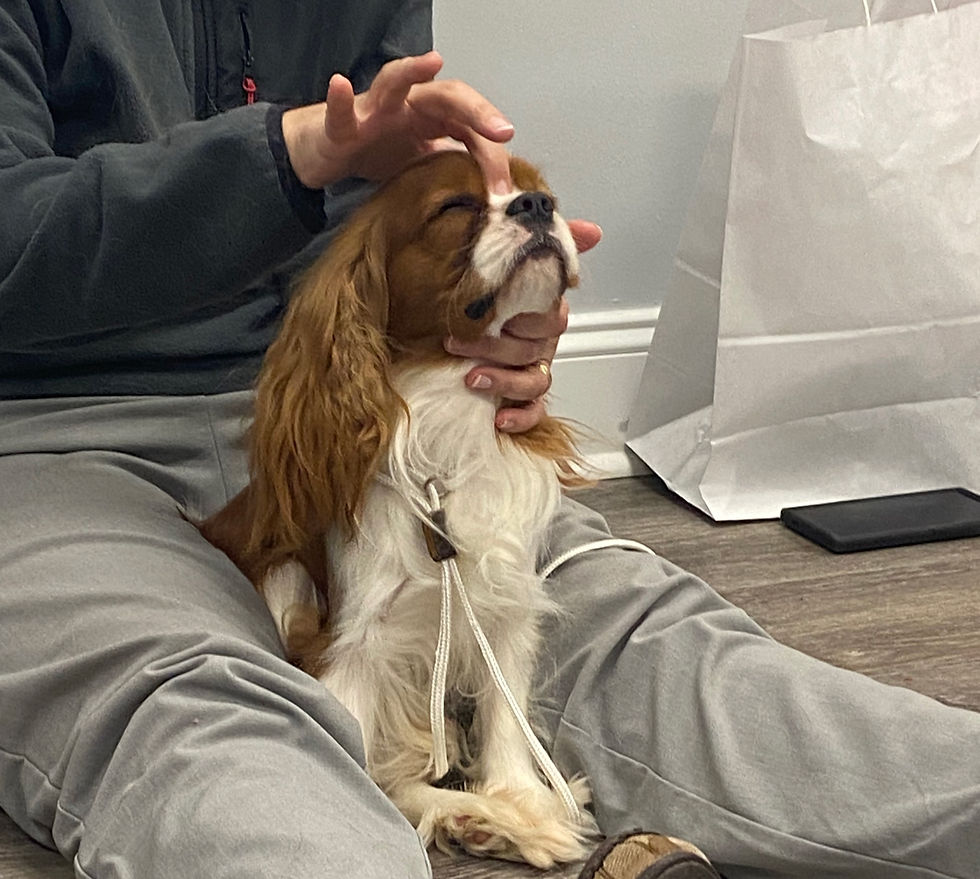
At Poll to Pastern, acupressure is approached as supportive care. Gentle pressure is used on specific points along the body's meridian pathways, a concept rooted in Traditional Chinese Medicine, and the practice is designed to complement conventional veterinary care rather than replace it. Over time, many pet owners find that these sessions become a meaningful part of their bond with their animal, not just a wellness task to check off.
You can also watch your pet's response during calm touch. A softer expression, slower breathing, relaxed posture, or choosing to remain close can tell you the interaction feels comfortable. Some pets will show subtle signs like a deep sigh, a yawn, or licking and chewing, small cues that often indicate a release of tension.
Helpful low-stress habits can include:
keeping handling sessions short and positive;
giving your pet a quiet place to retreat;
introducing new routines gradually;
stopping when your pet shows discomfort;
pairing wellness routines with praise or a reward your pet enjoys.
Consistency matters more than duration here. A few minutes of calm, intentional touch a few times a week can be more valuable than an occasional long session, especially for pets who are sensitive or new to this kind of interaction.
Support the Brain as Well as the Body
Mental enrichment is easy to overlook, but dogs and cats still need chances to sniff, explore, problem-solve, play, and make choices. A physically tired pet isn't always a mentally satisfied one, and boredom in dogs can show up in ways that are easy to misread as a behavior problem rather than an unmet need.

For dogs, you can scatter part of a meal in the grass, rotate walking routes, practice simple cues, or use food puzzles. Sniffing in particular is mentally tiring for dogs in a good way, a slow, sniff-focused walk can be just as satisfying as a longer, faster one. For cats, try window perches, climbing spaces, cardboard boxes, puzzle feeders, and toys that mimic stalking or chasing, movements that tap into natural hunting instincts even for the most laid-back house cat.
You do not need expensive enrichment products. A cardboard box with paper, a towel hiding a few treats, or five minutes of focused play can make the day more interesting. Rotating toys every so often, rather than leaving everything out all the time, can also help keep familiar items feeling novel again.
Enrichment doesn't have to be a separate task on your to-do list either. Small moments woven into daily routines, letting a dog choose which direction to walk, hiding a few pieces of kibble around a room, offering a new texture to investigate, add up over time and give your pet a sense of agency in their day.
Give Rest the Same Attention as Activity
Wellness is not always about doing more. Your pet also needs uninterrupted sleep and a place where they can fully relax, rest is when much of the body's real recovery and repair actually happens.

Make sure your dog or cat has a comfortable resting area away from constant foot traffic. Senior animals may benefit from softer bedding and easier access to favorite resting places, especially if joint stiffness makes jumping onto furniture or navigating stairs more difficult than it used to be. Anxious pets may prefer covered beds or quiet rooms where household activity is lower, giving them a reliable space to decompress when the day feels like too much.
It's also worth paying attention to sleep quality, not just quantity. Restless sleep, frequent waking, or an inability to settle can sometimes point to discomfort, anxiety, or an environment that doesn't feel quite safe enough to fully relax in.
If your pet suddenly sleeps far more or far less than usual, mention the change to your veterinarian. Sleep patterns can be one of the earlier, more subtle signs that something is shifting, even before other symptoms become obvious.
Build a Routine You Can Actually Maintain
The best wellness plan is not the most complicated one. It is the one you can repeat. A routine that feels sustainable is far more valuable than an ambitious one you abandon after two weeks.
Choose a few habits that fit naturally into your day. You might check body condition once a month, schedule daily play, add a few minutes of calm touch in the evening, and keep regular veterinary appointments. Start small, one or two new habits are much easier to stick with than an entirely new routine all at once.

Most importantly, stay curious about the animal in front of you. Your pet's needs will change over time, what works for a playful young dog or an active cat may look completely different a few years down the road. When you combine observation, preventive veterinary care, appropriate nutrition, movement, enrichment, rest, and gentle supportive practices, you create a routine that can grow with them.
Holistic care does not have to mean doing everything at once. It means paying attention to the whole animal and making thoughtful choices that help your dog or cat feel supported every day, one small, consistent habit at a time.
Bringing It All Together with Professional Support
While many of these wellness habits can be built at home, some pet owners like learning more before diving in. At Poll to Pastern Holistics, we offer online acupressure courses for owners who want to learn how to apply these gentle, supportive techniques themselves at home. For those who want to go even deeper, our professional level courses offer a more detailed look at acupressure and Traditional Chinese Medicine, whether or not you ever plan to practice professionally.
Learning a new skill like this can be a meaningful way to build an even stronger bond with your dog or cat while supporting their overall wellness routine.


