The Importance of Early Socialization in Preventing Pet Aggression
Most pet owners don't think about aggression until they see it. A growl over a food bowl, tension on the leash, or a snap that seems to come out of nowhere can be alarming. But the truth is, these behaviors rarely develop overnight. In many cases, they can be prevented with early socialization.
Understanding Early Experiences
Early experiences shape everything. For dogs and cats, the weeks and months spent learning about the world lay the foundation for how they'll respond to it for the rest of their lives. Understanding how socialization fits into that picture helps pet owners take meaningful preventive steps before problems take root.
Puppy socialization, when done correctly, means gradual, positive exposure to the world. It’s not about forcing interactions or overwhelming a young animal. The sensitive period, roughly the first few months of life, is when the brain is most open to forming lasting impressions about what is safe and what is threatening. Peer-reviewed research confirms that animals who miss this critical developmental period are more likely to develop fear-based aggression later on. Cats go through a similar window, though it closes earlier and requires a different pace. In both species, the foundation built during this time shapes how confidently and calmly they navigate the world as adults.
How Socialization Lowers Aggression Risk

Understanding what socialization should look like in practice is just as important as knowing why it matters. Done well, it is a careful, animal-led process that builds confidence without overwhelming the pet.
During the Early Window
The 3 to 14 weeks developmental period is when gradual exposure yields the most lasting results. During this time, pets benefit from structured encounters with sounds, handling, visitors, other animals, and new environments. Each experience should be paired with positive reinforcement and enough recovery time between sessions. If you're just getting started with a new puppy, our puppy training basics can help you build that foundation from day one.
Habituation to everyday stimuli, like doorbells, traffic noise, and being touched on paws or ears, helps pets form neutral associations rather than fearful ones. The key distinction is pace. A pet that is flooding—showing wide eyes, freezing, or attempting to flee—is not learning to cope. It is being overwhelmed, and that experience can backfire.
Reading body language throughout every interaction keeps the process safe. Ears back, tucked tail, piloerection, or excessive yawning are all signals to slow down, not push through.
As Pets Grow and Routines Change

Socialization does not end after puppyhood. As pets grow, their environments change, and so should the enrichment they receive. New people, new spaces, and shifting household dynamics all require gentle reintroduction. A dog that was perfectly comfortable with visitors at six months may need patient, positive re-exposure after a move, a new baby, or even a long stretch of limited social contact.
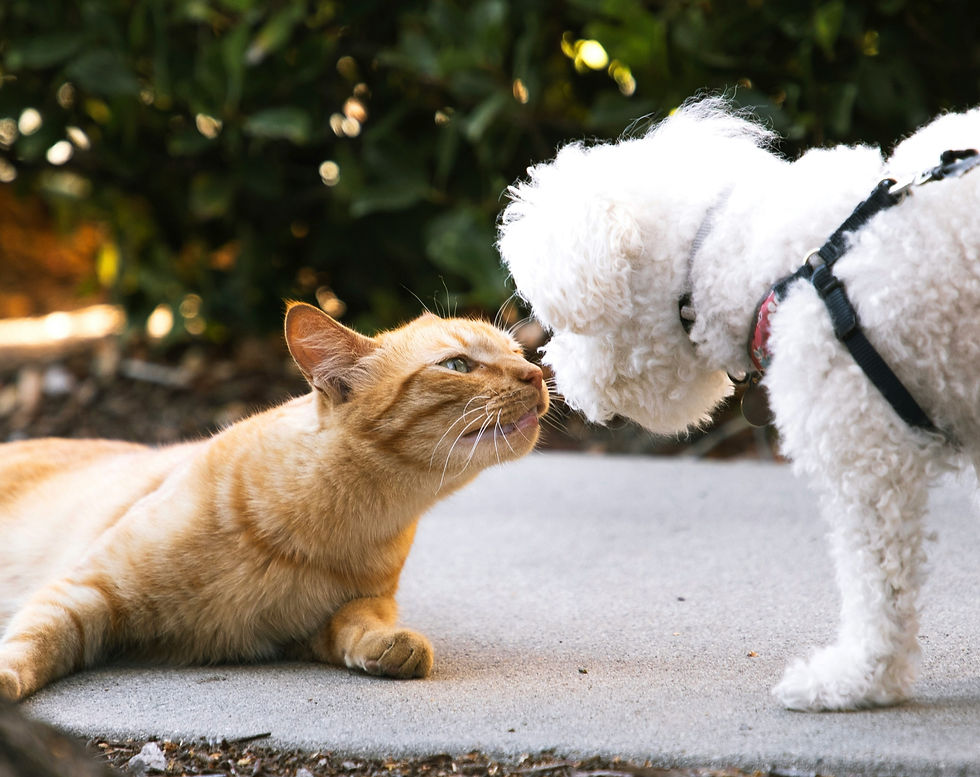
For cats and multi-species households, controlled introductions with clear escape routes and species-specific pacing matter greatly. Cats, in particular, benefit from having the ability to observe from a distance before engaging. Forcing interaction too quickly can create lasting negative associations that are hard to undo. In homes with both dogs and cats, slow and structured introductions set everyone up for a calmer, more harmonious relationship long term.
Behavior risk is shaped more by genetics, health, environment, and learning history than by breed labels alone. This is why discussions around most aggressive dog breeds often miss the bigger picture: ongoing positive experiences shape behavior far more reliably than any single factor. Supporting healthy dog interaction habits through every life stage keeps those early foundations intact.
Holistic Support Can Help Pets Stay Regulated During Socialization
Socialization tends to go better when a pet is calm enough to learn. That does not change the core approach—gradual exposure, positive reinforcement, and close attention to body language still do the heavy lifting. However, some owners find that gentle, low-stress supportive routines can make sessions easier to manage.
Acupressure as a Complement, Not a Replacement

One approach we love at Poll to Pastern is acupressure. Light fingertip pressure applied to specific acupressure points can serve as a gentle calming aid before or after mildly challenging experiences. To learn more about how acupressure and dog training work together, check out our blog on enhancing dog training with acupressure. It is best understood as a complement and not a proven behavior treatment. It should never replace structured socialization, trigger management, or professional behavioral care when a pet is already showing serious fear or aggression.
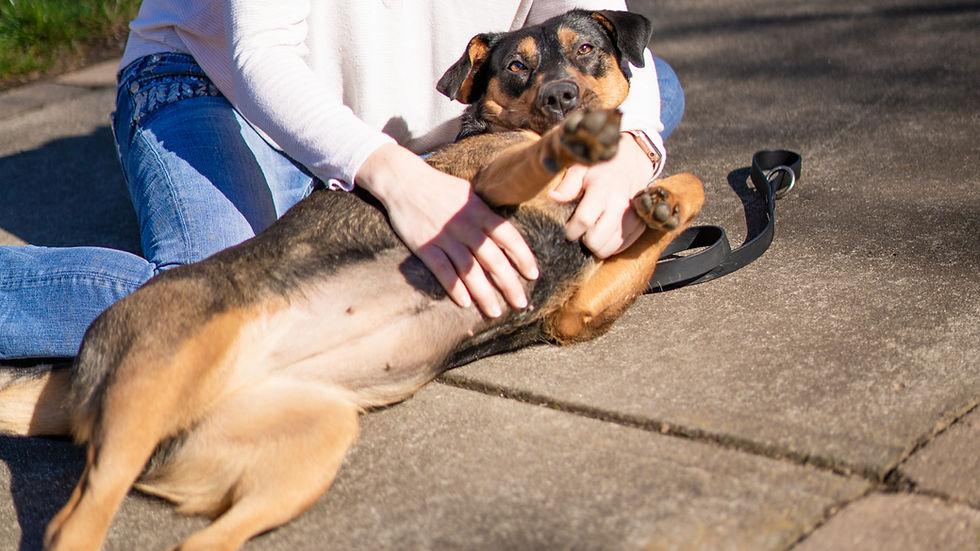
For owners who want to explore acupressure, the key is to keep it simple, gentle, and completely led by your pet. Begin with soft fingertip pressure along areas your dog already enjoys being touched: the chest, the base of the neck, or along the shoulders are great starting points.
Two easy points to try are:
GV14 - located at the base of the neck, which is wonderful for calming and refocusing.
Bai Hui - found between the hips where dogs love to be scratched. Also known as the meeting place of 100 meridians, this point is deeply grounding and helps settle an anxious or overstimulated nervous system.
Always follow your pet's lead. If they lean in, that's a good sign. If they move away, simply pause and give them space. Every session should feel like a bonding moment, not a task.
If you'd like to go deeper, our owner's canine acupressure course walks you through the foundations of acupressure in a simple, approachable way so you can confidently support your dog at home. For those looking to explore the meridian system further, our Level I courses for dogs and cats provide a more comprehensive foundation. Our acupressure charts are also a handy visual reference to keep nearby during sessions.
Red Light Therapy for Nervous System Support
Another gentle tool worth considering is red light therapy. While primarily known for supporting tissue healing and reducing inflammation, many pet owners and integrative practitioners also find that red light sessions promote a sense of calm and relaxation in dogs and cats. A quiet, low-stimulation red light session before a socialization outing may help a pet begin in a more regulated state, making it easier for them to stay under threshold during new experiences.
Other Holistic Ways to Support Calm Behavior
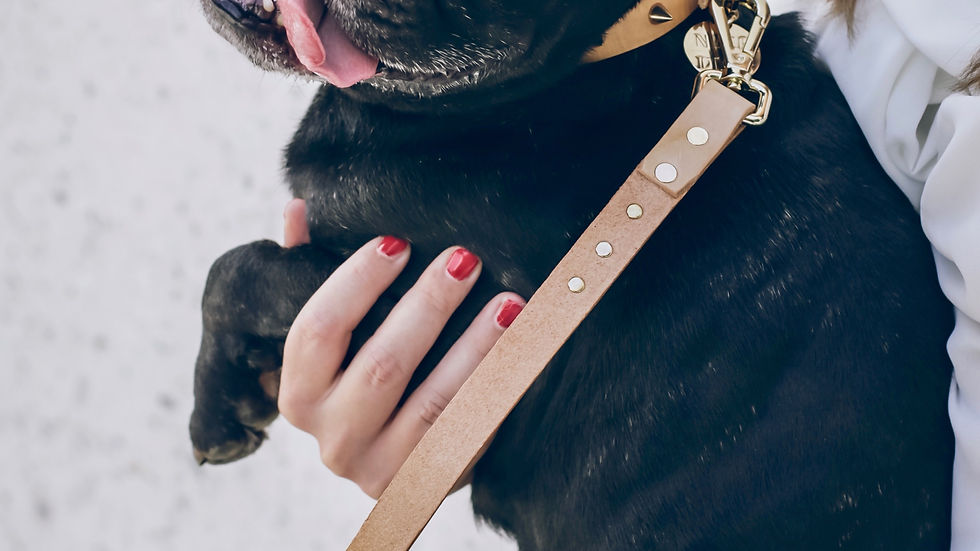
The goal is not to fix the response in the moment but to support a calmer baseline. This way, the pet can stay under threshold during future training. That same principle applies to other holistic supports, including calming massage, scent enrichment, quiet decompression time after outings, and predictable pre-visit routines. These strategies can help lower stress, but they work best when paired with a thoughtful socialization plan.
When Holistic Support Is Not Enough
When a pet is reacting intensely, escalating, or becoming unsafe, holistic calming methods are not enough on their own. At that stage, a veterinarian, credentialed trainer, or veterinary behaviorist should guide the plan. Pain, illness, and elevated arousal can all contribute to aggressive behavior.
Signs Socialization Is Helping or Backfiring
Knowing whether socialization is working requires paying close attention before, during, and after each exposure. Body language tells the full story, and catching early signals allows owners to adjust pace before stress compounds into something harder to manage.
Body Language That Shows Growing Confidence
Positive signs include relaxed posture, a loose wagging tail, and a willingness to take treats in the presence of new stimuli. A pet that recovers quickly after a surprise, shows curiosity by approaching on its own terms, and resumes normal behavior shortly after an encounter is building the kind of positive experiences that reduce long-term reactivity.

Warning Signs to Slow Down
Freezing, hiding, hard staring, growling, lunging, or swatting all signal that a session has moved too fast. These responses indicate the pet is operating from fear rather than curiosity. Continuing at the same intensity risks reinforcing fear-based aggression rather than reducing it.
Resource guarding and separation anxiety can also surface alongside socialization challenges. However, they often require separate management strategies. A dog working toward calm confidence in anxious dogs may need targeted support beyond exposure-based work. Treating each issue distinctly leads to more reliable, lasting progress.
When Socialization Is Not Enough on Its Own

Even well-socialized pets can develop behavior problems, and there are clear signs that casual exposure is no longer sufficient. Repeated snapping, unprovoked biting, escalating reactivity, aggression around food or handling, or persistent panic around other pets all indicate that something more structured is needed.
At that stage, consulting a professional trainer or a veterinary behaviorist is the appropriate next step. Both the AKC and AVSAB recommend seeking credentialed help when a pet's responses are intensifying rather than improving with regular positive exposure. This is also where desensitization becomes relevant as a formal behavior plan, not simply more socialization. Unlike casual exposure, desensitization follows a deliberate, graduated protocol designed to reduce a specific fear or aggressive response over time.
One factor that is easy to overlook is physical health. When behavior changes suddenly in a previously stable pet, pain or an underlying medical condition should be ruled out before any behavioral intervention begins.
A Calmer Pet Starts with Safer Experiences
Socialization is not about the volume of encounters. It is about the quality of each experience and whether the animal leaves it feeling safe rather than overwhelmed.
Gradual exposure, paired consistently with positive reinforcement, builds the kind of confidence that lowers aggression risk over time. Early experiences matter most, but enrichment throughout every life stage keeps those foundations from eroding as environments and routines change. When warning signs appear, acting early makes a measurable difference. The longer reactive patterns go unaddressed, the harder they are to reshape.
Supporting your pet's emotional wellness doesn't have to be complicated. If you'd like to learn how acupressure can complement your dog's socialization journey, explore our online courses or book a session with us at Poll to Pastern Holistics.