
Finding Your Missing Pet: Cat and Dog Search Tips Every Owner Should Know

Losing a pet is every animal lover’s nightmare. One moment they’re curled up on the couch or grazing in the yard, and the next the house feels painfully silent. The panic rises fast — your heart races, your mind jumps to the worst-case scenarios, and all you want is to bring them home safe. If you’re reading this because your dog or cat is missing, please know this: you are not alone, and you are not powerless.
Even the most careful, responsible pet parents experience escapes. A door cracks open at the wrong moment, a thunderstorm spooks a dog, a curious cat slips past your legs — it happens. What matters now is knowing what to do in the crucial hours and days ahead.
This guide is designed to support you through that fear and offer clear, practical steps to help you find your missing pet as quickly as possible. We’ll walk through dog-specific and cat-specific search strategies, how to activate your local community, what technology can help, and how to stay grounded during an incredibly emotional experience.
Your pet is resilient. Your bond with them is strong. And with the right steps, there is every reason to stay hopeful. Let’s begin.
Immediate Actions to Take in the First Hour
The first moments after discovering your pet is missing can feel overwhelming. Your heart pounds, the house suddenly feels too quiet, and your mind jumps to every worst-case scenario. But this first hour is also when you have the greatest chance of locating your dog or cat close to home. Most pets don’t bolt far right away — they hide, circle the property, or linger in familiar areas. By acting quickly and calmly, you create the best conditions for them to return safely.
1. Pause, Breathe, and Get Your Bearings
Before rushing out the door, take a moment to ground yourself. This helps you think clearly and prevents accidental mistakes like leaving a gate open or missing a hiding place in your home.

Start by:
Note the exact time you last saw your pet or know they were home.
Write down or mentally note where they were last seen (inside, backyard, front door, barn, parking lot, etc.).
Look for clues: an open gate, a torn screen, a door cracked open, a frightened moment (fireworks, thunder, a delivery person).
This helps you narrow down where they might have headed and what spooked or tempted them in the first place.
2. Do a Systematic Search of Your Home and Property
Many pets are “missing” but actually hiding very close by, especially frightened cats and small dogs.

Search inside first (even if you’re sure they got out).
Check behind and under furniture, in closets, under beds, inside cabinets, behind appliances, in laundry baskets, under blankets.
Open interior doors slowly and look in dark corners with a flashlight. A scared animal may be silent and pressed into a corner.
Search your yard and immediate surroundings.
Look under decks, porches, sheds, and vehicles.
Check bushes, tall grass, woodpiles, and corners of fences.
For cats, pay special attention to tight, low spaces. For dogs, check behind sheds, under trailers, and near gates.
Call calmly and softly.
Use your pet’s familiar nickname and phrases associated with good things: “Treat time,” “Dinner,” “Want to go for a walk?”
Avoid yelling or sounding panicked; anxious tone can make a frightened animal hide more deeply.
Use familiar sounds.
Gently shake a treat bag, open a can, rustle a treat pouch, or jingle their leash or food dish.
Pause frequently and listen. Sometimes you will hear scratching, a small cry, or movement.
3. Alert Your Immediate Circle and Neighbors
Once you’ve done an initial search, bring in support. You don’t need a crowd — just a few calm helpers.

Tell your household first.
Let everyone in your home know the pet is missing. Divide simple tasks:
One person checks inside and outside areas again.
Another gathers recent photos.
Another starts contacting neighbors or posting online.
Ask neighbors right away.
Knock on doors or send quick texts to people on your street.
Ask them to:
Check garages, sheds, and under porches.
Look inside their fenced yards.
Keep an eye out at doors, parking lots, and driveways.
Send a clear photo along with your message so they know exactly who to look for.
Recruit one or two “calm helpers.”
If possible, choose people who can stay calm and follow instructions.
Give each helper a specific area to search or a task (making flyers, posting online, calling shelters).
4. Secure Your Home as “Base Camp”
While you search, you also want to make it easy and inviting for your pet to come back on their own.
Leave a way for them to re-enter safely.
If it is safe to do so, leave a door, gate, or garage slightly open.
Place a crate, bed, or blanket just inside as a familiar “landing zone.”

Set out familiar items.
Place your pet’s favorite bed or blanket near the entry.
Put out a bowl of water.
You can place a small amount of food nearby, but avoid leaving large amounts of food outside that might attract wildlife or other animals.
Keep noise down at home if possible.
A quieter environment can make a nervous animal more likely to return and approach.
Take note of any signs they might have tried to come back.
Scratches near doors, disturbed dirt, pawprints, or neighbors reporting sightings near your home.
5. Start Your Record: Photos, Description, and Log
You’re going to be sharing information quickly, so take a moment to prepare what you’ll need.

Gather clear, recent photos.
Ideally:
One full-body photo from the side.
One photo of the face.
Any photos showing unique markings, coat patterns, or scars.
Make sure at least one photo shows what they look like at their current weight and coat length.
Write a simple, accurate description.
Species: dog or cat.
Breed or mix (if known).
Color and markings.
Size and approximate weight.
Collar and tag details (color, style, whether they wear one).
Microchip status (chipped or not).
Temperament: friendly, shy, fearful, likely to run, good with strangers, won’t come if called, etc.
Start a quick “lost pet log.”
In a notebook or phone note, track:
Date and time you noticed they were missing.
Last known location and time.
Any sightings with time and exact location (this becomes crucial later).
6. Do a Focused Street-Level Search
Once you’ve checked your property and alerted immediate neighbors, expand your search slightly.
Walk the block (or barn/yard perimeter) slowly.

Move in a circle or grid pattern around your home.
For dogs: check sidewalks, ditches, empty lots, and the edges of woods or fields.
For cats: look closely under steps, in shrubbery, and around parked cars.
Drive slowly with windows down if needed.
In a car, drive very slowly around the neighborhood, especially on quieter side streets.
Stop periodically, turn the engine off, and call softly. Listen for movement or faint sounds.
Ask people you encounter.
Show your pet’s photo on your phone and ask if they’ve seen them.
Note any possible sightings in your log, even if they’re uncertain.
7. What Not to Do in the First Hour
It’s just as important to avoid actions that may accidentally make things harder.
Do not chase your pet if you see them. Many dogs and cats in panic mode will run from even their favorite person. Approaching quietly, kneeling down, and using soft, inviting tones is safer than running toward them.
Do not assume they “ran away” or “don’t want to come home.” Lost animals are usually scared, confused, or following instincts, not making a choice about you. This mindset shift helps you stay calm and focused.
Do not flood social media with incomplete or inaccurate info yet. Spend a few minutes getting a clear photo and good description together. You’ll use these shortly for your posts and flyers.
Do not blame yourself. Accidents happen quickly. Guilt can paralyze you when what you need is focused action. You can review prevention later—right now, your job is to help bring them home.
How to Create and Share an Effective Missing Pet Alert
Once you’ve checked your home and immediate surroundings, the next critical step is getting the word out quickly and clearly. A well-crafted missing pet alert can mobilize your neighborhood, reach the right people fast, and dramatically increase the chances of a safe return. The goal is to create a post that is easy to read, easy to share, and impossible to misunderstand — even at a glance.
Your alert should give people the information they need without overwhelming them. In moments like this, clarity is everything.
1. What to Include in Your Missing Pet Alert
Your alert should communicate who you’re looking for, where they were last seen, and how someone can help right away. Think of it like a flyer condensed into an easy-to-share digital format.
Your alert should include:

A clear, recent photo (one face photo + one full body photo if possible)
Name of your pet
Species, breed or mix, color, size, and notable markings
Whether the pet is wearing a collar or ID tag
Microchip status (even if you’re unsure of the number)
Personality: friendly, shy, scared, may run if approached, etc.
Last-seen location (street name, neighborhood, landmark)
Date and approximate time of disappearance
Your contact information (phone number is most effective)
Keep descriptions short but specific. People scrolling quickly need to immediately understand what the pet looks like and where they went missing.
2. Where to Share Your Missing Pet Alert
Post your alert in multiple places — different platforms reach different audiences, and not everyone uses social media. The more eyes on your pet, the better.

Online platforms to use:
Local Facebook groups (lost pets, neighborhood groups, town groups, rescue groups)
Nextdoor (excellent for reaching neighbors quickly)
Your personal Facebook page (friends share widely)
Instagram Stories (great for rapid reach)
Local buy/sell/trade community pages
Neighborhood HOA websites or apps
Other important places to contact:
Local animal shelters (call AND upload your alert to their lost pet pages)
Animal control officers
Local veterinarians and emergency clinics
Pet stores, grooming salons, and feed stores
Your microchip company
Update your phone number
Mark your pet as “Lost”
Request an alert be sent to local shelters
Spreading widely does not just help with sightings — it signals urgency and increases the number of people actively thinking about your pet as they go about their day.
3. Tips for Maximizing Visibility
Even a well-written alert can get lost in busy feeds. Small adjustments can help your post stand out and stick in people’s minds.
To increase visibility:
Use a short headline like “Lost Dog in [Area]” or “Missing Cat — Last Seen Near [Street].”
Post your alert at different times of day, especially mornings and evenings.
Comment on your own post periodically to “bump” it to the top of group feeds.
Ask friends and neighbors to share the post to reach more people.
Turn your alert into a simple graphic or flyer.
The goal is not to overwhelm — it’s to stay visible.
4. What to Avoid in Your Alert
Some things unintentionally complicate or slow down the search.
Avoid including:
Long, emotional paragraphs (keep those for your personal page)
Too many photos (two is ideal — one can get distorted in previews)
Directions like “Please help us look” if your pet is fearful and may flee
Unverified sightings (keep your main alert accurate; use comments for updates)
A clean, clear alert ensures that the most essential information travels far.
How to Search for a Missing Dog
Searching for a lost dog is different from searching for a cat. Dogs tend to move farther, follow scents or traffic patterns, and may switch rapidly between “flight mode” and “seeking comfort.” Understanding these patterns helps you search more effectively and safely.
Some dogs will try to return home on their own. Others wander in large loops. And shy or fearful dogs may avoid people entirely, even the ones they love. Your job is to create opportunities for sightings while avoiding actions that accidentally push your dog farther away.
1. Understand How Dogs Behave When Lost
Dogs respond to being lost in different ways, depending on their personality, background, and what startled them.

Common behaviors include:
Staying close to home, circling the neighborhood
Following walking paths, trails, or familiar routes
Avoiding people if they are frightened or in “flight mode”
Moving continuously, especially if chased or spooked
Seeking shelter in quiet areas such as porches, barns, wooded edges, or culverts
Approaching homes or people if they are social and confident
A frightened dog may not come when called — even by their owner. This is a normal survival response.
2. Begin a Systematic Search of the Area
Once you’ve searched your own property, expand outward in a structured way. Wandering randomly wastes time; planned loops increase your chances of spotting your dog or finding clues.
Start with:
The streets directly around your home
Neighborhood walking paths
Parks, greenways, and open fields
Areas your dog enjoys visiting
Spots with high “sniff interest” — common marking areas or favorite potty locations
While searching:
Move calmly
Use a soft, friendly voice
Stop often to listen
Avoid yelling (this can heighten fear)
Bring your phone, treats, and a slip lead in case your dog allows you to approach.
3. Never Chase a Loose Dog: How to Approach Safely
Chasing is the #1 mistake people make. Even a friendly, beloved dog may bolt if they feel overwhelmed or unsure.

If you see your dog:
Get low to the ground
Turn sideways (non-threatening body language)
Avoid eye contact
Speak very softly
Toss high-value treats away from you, not toward you
Let THEM choose to approach
This calm, indirect behavior invites trust instead of triggering flight.
4. Set Up a Scent Station to Draw Your Dog Back
Dogs navigate the world with their noses. Creating a strong scent “anchor” at your home helps them orient and return.
Use:
A piece of your unwashed clothing
Your dog’s bedding or a favorite blanket
A small container of strong-smelling food (but avoid large amounts that attract wildlife)
Place these near the door or area where they escaped. Many dogs return after dark, when the environment is calmer.
5. Use Tracking Resources When Available
Modern search tools can dramatically increase your chances of locating a dog, especially in rural or wooded areas.
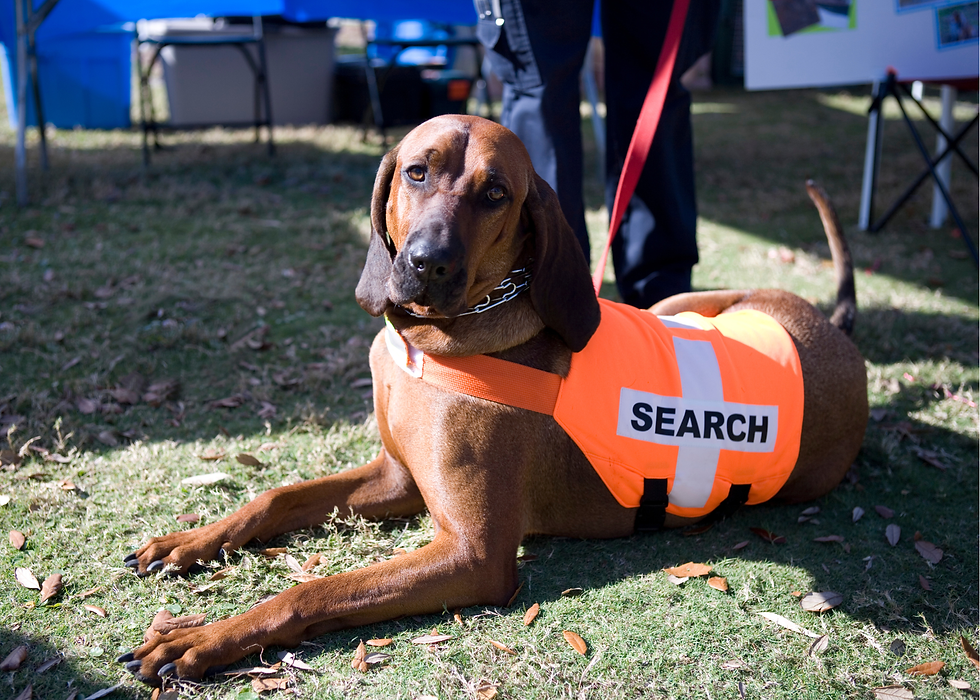
Helpful resources include:
K9 tracking teams - trained scent dogs guided by handlers
Drones — some with thermal imaging to detect heat signatures
Lost Dogs of [Your State] Facebook groups
Local rescue groups that have humane traps for shy or feral-acting dogs
Ring camera or doorbell footage from neighbors
Tracking dogs and drones are especially helpful when the terrain is large or when your pet has been missing more than a day.
6. Identify Places Where Dogs Commonly Go When Lost
Dogs rely on familiar patterns and instincts. Searching these locations increases your chances of success.

Look closely at:
Tree lines and wooded edges
Drainage ditches or culverts
Barns, sheds, porches, or carports
Construction sites
Schoolyards or parks
Areas where people walk (dogs follow scent trails)
Roads with steady vehicle traffic (dogs sometimes trail cars or people)
Search early in the morning and late evening when noise and activity levels are low.
7. Use Flyers to Boost Visibility
Flyers still work — and work extremely well. They catch the attention of people not active on social media and become reference points for neighbors.
Effective flyer tips:
Large, bold “LOST DOG” at the top
One clear photo
Basic description + your phone number
Posted at eye level in high-traffic areas
Best places to post:
Stop signs
Grocery stores
Vet offices
Groomers
Feed stores
Mailboxes (outside only)
Gas stations
Parks and walking trails
8. If Your Dog Is Fearful, Use Specific Techniques
Shy, anxious, or rescue dogs often behave differently when lost.

For fearful dogs:
Avoid calling loudly
Do not bring groups of people to search
Sit quietly in an area where they’ve been sighted
Use a familiar, soothing sound such as softly talking, humming, or rustling treat bags
Ask rescues for a humane trap — incredibly effective for scared dogs
This gentle approach prevents pushing an already frightened dog farther away.
9. Keep a Sightings Log
Information becomes more valuable the longer your dog is missing.
Record every sighting:
Exact time
Exact location
Direction of travel
What the dog was doing (walking slowly, running, hiding, etc.)
Patterns often emerge, which guides where to focus your search or where to set a trap.
10. Remember: Many Dogs Come Home on Their Own
It’s important to hold onto hope. Dogs are strong, resourceful animals. Many return home within hours or days, especially at night when the world is quiet. Your actions — visibility, calm searching, scent stations, and methodical communication — all significantly improve your chances.
How to Search for a Missing Cat
Searching for a cat is very different from searching for a dog. Cats, especially indoor-only cats, often stay incredibly close to home but hide so effectively that owners assume they’ve traveled far. Understanding how cats behave when frightened or disoriented will shape your search and help you focus your energy where it matters most.
Indoor cats almost always stay within 100–300 feet of home. Outdoor cats tend to stretch farther but still remain in familiar territory. Most cats do not roam widely when missing — they go silent, hide carefully, and wait for the world to quiet down.
Because of this, searching for a cat requires patience, methodical steps, and attention to small details.
1. Understand How Cats Behave When Lost
Cats rely heavily on stealth and stillness when frightened. This means your cat may be extremely close but completely silent.
Common lost-cat behaviors include:
Hiding in tight, dark, sheltered spaces
Staying silent even when their owner is inches away
Moving around only at dawn, dusk, or late at night
Staying within one or two properties of home
Avoiding open areas and choosing “crawl space” environments
Cats in survival mode go into what’s called “freeze response.” They don’t run; they disappear.
2. Begin With a Thorough Search of Your Property
Your home and immediate surroundings are the #1 place your cat is likely hiding, especially in the first 24–48 hours.

Check carefully:
Under decks and porches
Inside garages, sheds, and barns
Thick bushes or landscaping
Crawl spaces and under houses
Behind AC units, grills, or outdoor equipment
Under vehicles or in wheel wells
Use a flashlight — even during the day — as a cat’s eyes often reflect light.
Search each area slowly and listen for:
Soft rustling
Scratching
Very quiet meows
Movement in leaves or brush
It is common to check an area several times before a hiding cat finally reveals themselves.
3. Ask Neighbors to Check Their Property
Your neighbors’ yards and structures are the second most likely location your cat may hide.
Ask neighbors to check:
Garages and sheds
Under porches or decks
Behind outdoor furniture
Any place a frightened cat could tuck into
Shared photo alerts help neighbors know exactly what to look for.
4. Use Calming, Familiar Cues to Encourage Your Cat to Come Out
A scared cat may not respond to their name, but they may recognize familiar patterns and sounds.

Helpful cues include:
Sitting quietly outside for 10–15 minutes at a time
Softly calling their name or speaking in a familiar tone
Gently shaking their treat bag
Opening a can of food
Using slow, rhythmic noises they recognize (tapping a spoon on a dish, gently rustling a food pouch)
Your presence, calm and patient, is one of the strongest tools you have.
5. The Litter Box Debate: What You Should Know Before Using It
For years, people were widely advised to place a used litter box outside. This advice is now considered controversial, and many lost-cat experts no longer recommend it as a first-line step.
Here’s what current guidance suggests:
Why some people use the litter box:
Cats have an extremely strong sense of smell.
Familiar scents may help orient them toward home.

Why many experts advise caution:
Used litter can attract predators such as raccoons, coyotes, foxes, and even large stray cats.
Predators following the scent may move into the area where your cat is hiding, which can push your cat farther away.
Cats naturally prefer to distance themselves from their elimination sites when stressed.
Some missing-animal response teams report that scent-based items (like bedding or clothing) are safer choices.
A safer alternative:
Many cat trackers now recommend using your scent, not the cat’s elimination scent.
Use:
A piece of your unwashed clothing
Their favorite blanket or bedding
A soft item that smells like your home
Place these near your door or the point of escape.
If you still choose to use the litter box:
Use only a small amount of used litter.
Keep it very close to the house, not far out in the yard.
Avoid it entirely if you live in an area with known predators.
Including this nuance in your blog will help people make informed, safer choices.
6. Search During Quiet Hours
Cats often break cover when the environment is calm.
Best times to search:
Dawn
Dusk
Late night (midnight to 4 a.m.)
Walking your property or neighborhood slowly during these hours — softly calling and listening — significantly increases the chance of a sighting.
7. Consider Setting a Humane Trap
If your cat is fearful, semi-feral, or hasn’t returned after 24–48 hours, a humane trap can be extremely effective.

Traps are often provided by:
Local rescues
Animal shelters
TNR (trap–neuter–return) groups
Lost cat volunteer teams
Use strong-smelling food such as:
Sardines
Rotisserie chicken
Wet cat food
Check traps frequently and use them in quiet, sheltered locations.
8. Canvas the Area Methodically
As time passes, expanding your search radius in a structured way helps ensure no area is overlooked.

Check:
Under porches and decks
Vacant buildings
Brush piles or wood stacks
Neighborhood greenways
Spaces between fences and garages
Leave flyers with neighbors and ask them to search their property as well — cats often slip into places unnoticed.
9. Use Flyers and Visibility Tools
Like dogs, cats benefit from community awareness.
Post flyers in:
Mail areas
Vet clinics
Libraries
Apartment complexes
Coffee shops
Grocery stores
When neighbors know to look for a specific cat, the number of sightings increases dramatically.
10. Many Cats Come Home on Their Own
It’s important to remember:
Cats are survivors.
They are incredible at hiding and staying safe.
Many return home within a few days once hunger or curiosity overtakes fear.
Your calm presence, methodical searching, and consistent visibility give your cat every opportunity to make their way back.
Flyers and Physical Search Tactics
In a digital world, it’s easy to assume that online posts are enough — but paper flyers are still one of the most powerful tools for finding lost pets. They grab attention at stop signs, grocery stores, vet offices, and anywhere people pass by. Even better, they stay up long after a post has disappeared in a feed. Flyers are often what spark that one crucial sighting that leads to a safe reunion.

This section will guide you through designing effective flyers, choosing the best locations, and using physical search methods to increase your chances of success.
Why Flyers Still Matter
Flyers reach people who:
Aren’t active on social media
Don’t use Nextdoor or lost pet apps
Are out walking, biking, or commuting
See the pet but didn’t know it was lost until the flyer told them
Many pet recoveries start with someone seeing a flyer, then realizing they have seen that animal.
What Makes a Flyer Effective
You don’t need fancy software or color printing. You need clarity, visibility, and focus.
Your flyer should include:
Large, bold headline: “LOST DOG” or “MISSING CAT”
One or two clear photos (face + body if possible)
Basic description: breed, color, size, collar, microchip
Last seen: location + time/date
Behavior notes: friendly, shy, likely to run, etc.
Phone number (not just email) — large and easy to read
Offer a reward only if you’re comfortable, and be cautious of scammers
Design tips:
Use large, black, easy-to-read fonts
Keep the flyer to one page
Avoid blocks of text — short bullets are best
Use waterproof sleeves, plastic covers, or laminate for outdoor flyers
Always secure with tape, staples, or push pins
If you'd like a branded or printable flyer template, I can create one for you.
Best Places to Post Flyers
Think about foot traffic and community visibility. Your goal is to place the flyer where the most people — and the right people — will see it.

Top locations to post:
Stop signs and intersections
Mailboxes and community bulletin boards
Vet offices, groomers, and pet supply stores
Coffee shops, grocery stores, gas stations
Apartment complex mail areas or clubhouses
Parks, dog parks, greenways, and trailheads
Churches, schools, and daycare entrances
Feed stores or equestrian supply stores (for rural areas)
Ask permission when posting indoors or on private property.
Door-to-Door Canvasing
In addition to posting, talking to people face-to-face can lead to the fastest results — especially in areas where pets may be hiding unseen.
Bring flyers to hand out and ask:
“Can I give you this in case you see my dog/cat?”
“Would you mind checking your garage or under your deck?”
“Do you have cameras that might’ve picked something up?”
Even if someone hasn’t seen your pet, they’ll now be on alert.
Use Tracking & Mapping Methods
The more you document your search, the more effective it becomes over time.
Keep a search log that includes:
Where flyers have been placed
Streets or areas searched
Sightings (time, place, direction, description of behavior)
Notes from neighbors or businesses
Photos from doorbell or trail cameras
Use Google Maps or a physical map to mark off areas you’ve searched. This prevents duplicate effort and helps identify missed zones.
Replace or Refresh Flyers Often
Wind, rain, and time can destroy visibility.
Tips for upkeep:
Check flyers every 2–3 days
Replace faded, torn, or missing ones
Update with “STILL MISSING” if it’s been several days
Add new sightings or adjust search zones if the pet is on the move
People notice fresh flyers — it shows urgency and keeps your search top of mind.
Be Safe and Respectful
When canvassing neighborhoods or placing flyers:
Don’t tape to cars or mailboxes directly
Avoid trespassing
Be polite when approaching homes or businesses
Bring a friend or let someone know your route if you're canvassing alone
This keeps you safe while building good will — both important parts of your search effort.
Flyers for Shy or Fearful Pets
If your pet is shy, skittish, or fearful, include special language on your flyer like:
“Do NOT chase — call owner immediately.”
“Pet is scared and will run — please do not approach.”
This helps avoid well-meaning people trying to catch your animal, which can drive them farther away.
Using Technology to Help Find Your Missing Pet
Technology has become one of the most effective tools in recovering lost pets. While traditional methods—flyers, walking the neighborhood, contacting shelters—are still essential, modern tools can expand your reach, speed up sightings, and help track movement in real time. This section covers how to use microchips, home cameras, scanners, GPS devices, and even drones to strengthen your search.
Technology doesn’t replace physical searching — but it can dramatically improve accuracy and visibility.
Microchips: What They Do and Why They Matter
Microchips are one of the most powerful forms of permanent identification. Even if your pet isn’t wearing a collar or tags, a microchip can connect them back to you — if the information attached to it is correct.

If your pet is microchipped:
Call the microchip company immediately
Ensure your phone number, email, and address are up to date
Ask them to mark your pet as “Lost”
Request notifications to nearby shelters and vet clinics
Ask if they offer a lost pet poster or registry service
Even if you don’t remember the company name, shelters can determine it based on the chip number pattern.
Why microchips matter:
Animal control and shelters scan every intake
Many Good Samaritans bring found pets to a vet clinic for scanning
Microchip information is often the fastest path to a reunion
If your pet is not microchipped, this becomes an important prevention step once they’re safely home.
Home Cameras, Doorbell Cameras, and Trail Cameras
Camera footage can provide crucial clues about your pet’s direction, behavior, and timing.
Ask neighbors to:
Check Ring or Nest doorbell footage
Look at backyard camera recordings
Review driveway cameras or security footage
Even a brief sighting can:
Confirm your pet is still close
Reveal which direction they’re traveling
Show if they are limping, running, or hiding
Help identify the best location for traps or scent stations
If your neighborhood doesn’t use cameras, you can place your own trail or wildlife camera near:
Your scent station
Your yard
Areas your pet may pass through
Locations of recent sightings
These cameras can run for days without supervision.
GPS Trackers: What They Can and Cannot Do
If your pet was wearing a GPS tracker at the time they went missing (Fi, Tractive, AirTag), check its location immediately.
GPS trackers can help you:
Follow your pet’s movement in real time
Identify a general search zone
Locate patterns (circling, hiding spots, rest points)
But keep in mind:
Batteries may die quickly when out of Wi-Fi range
Trackers may ping intermittently
Some locations may be up to several hundred feet off
Apple AirTags are not marketed for pets and do not provide real-time tracking
A GPS tracker is a guide—not a guarantee—but it can dramatically narrow down your search area.

Drones and Thermal Imaging
Technology has made aerial searches more accessible than ever. Drones can be invaluable, especially in:
Rural areas
Dense woods
Large fields
Water-adjacent properties
Hard-to-access areas
Thermal imaging drones detect heat signatures, making it easier to spot animals hiding under brush or vegetation. Local drone hobbyists, search-and-rescue volunteers, or professional drone teams often assist with lost pet searches at little or no cost.
Be sure to tell drone operators:
Your pet’s size and coloring
Any recent sightings
Locations with good takeoff/landing access
Drones are particularly effective for dogs on the move and cats hiding in brush or structures.
Lost Pet Apps and Online Databases
There are several platforms dedicated to lost and found animals. Submitting your pet’s information helps widen your reach and allows shelters or rescuers to match your pet more easily.

Popular tools include:
Local “Lost Pets of [Your State]” pages
FidoFinder (dogs)
These services often:
Create a shareable poster
Alert nearby volunteers
Store your pet’s information for shelters to search
Combining these tools with flyers and in-person searching increases visibility dramatically.
Using Technology Safely and Effectively
While technology is incredibly helpful, it’s important to use it in ways that support — not overwhelm — your search.
Tips for using technology wisely:
Don’t rely on a single tool
Use cameras to confirm movement before expanding your search
Use GPS data as guidance, not precise mapping
Use drones only in areas where you have permission to fly
Upload your pet’s information to multiple platforms for broader reach
Technology amplifies your efforts, but it works best when paired with physical searching and community involvement.
Tracking Movement Patterns
If your pet has been spotted multiple times, technology can help you map the movement.
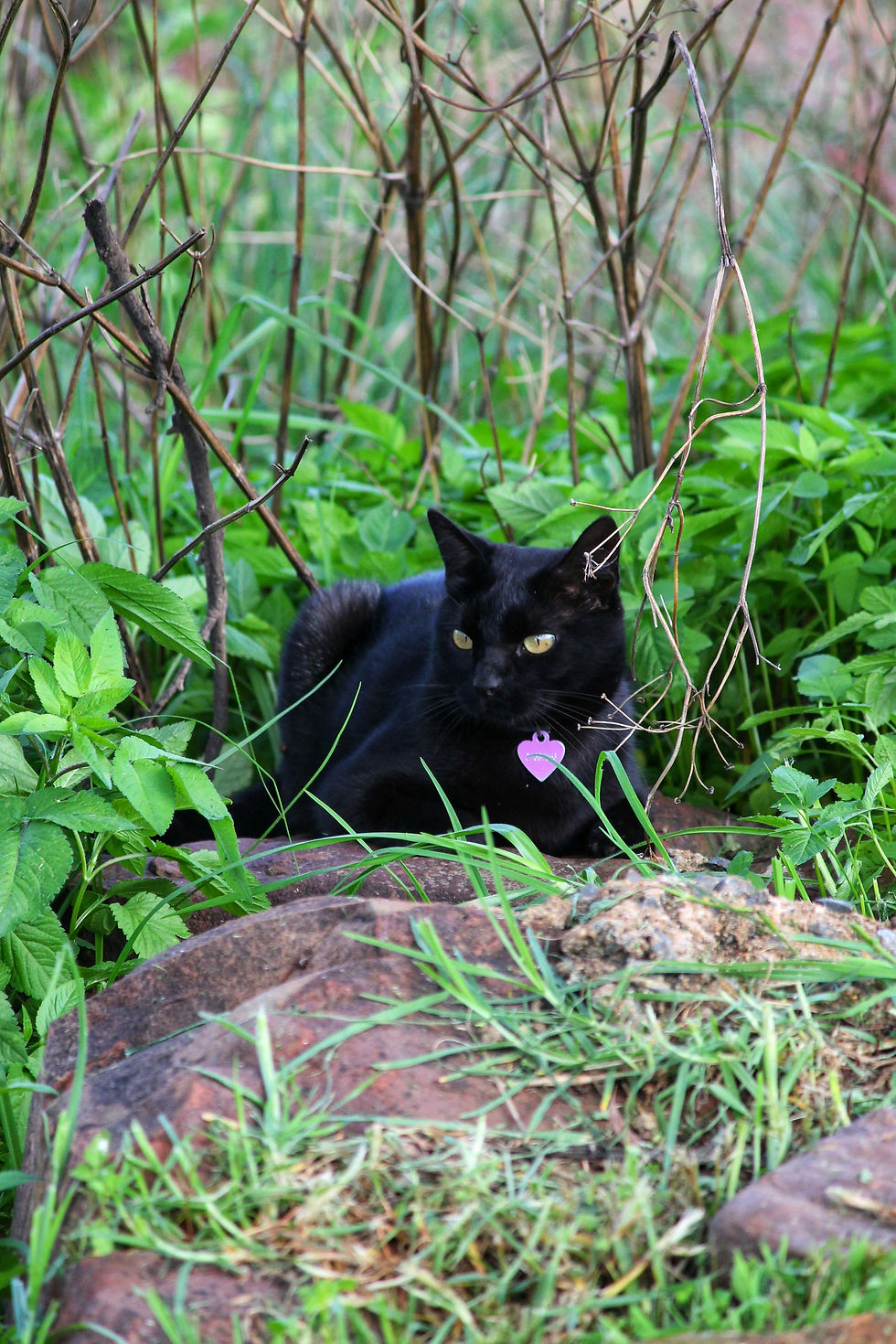
Look for patterns such as:
Same time of day sightings
Direction of travel
Staying near wooded edges or water sources
Returning to the same neighborhood
Looping behavior in dogs
Tight hiding radius in cats
Creating a sighting map helps determine:
Where to place traps
Where to set scent stations
How to focus your search the next day
This can be done using Google Maps, paper maps, or lost-pet apps that allow location plotting.
Technology Helps — But You Are Still the Key
Technology is powerful, but the most important factors are still:
Your persistence
Your visibility
Your communication
Your calm presence
Your willingness to follow up on every sighting
Tech tools strengthen the search, but it is your dedication that brings your pet home.
Community Support: Don’t Search Alone
When a pet goes missing, time is precious — and so is support. Your community can become one of your strongest allies in spreading the word, increasing visibility, and covering far more ground than you could on your own. Even a single shared post or one conversation with a neighbor can lead to that crucial sighting.
Harnessing community support doesn’t mean organizing a large search party (which can actually frighten a shy dog or cat). Instead, it means empowering the people around you with clear information and simple ways to help.

Why Community Support Matters
People who live, walk, work, and drive in your area dramatically increase the likelihood of spotting your pet — especially in the first few days.
Community involvement helps you:
Expand awareness quickly
Reach people who aren’t online
Keep eyes on multiple streets or neighborhoods
Access doorbell cameras you didn’t know existed
Boost the visibility of your missing pet alert
Maintain momentum when you’re exhausted or overwhelmed
Pets are often found because someone saw a flyer, recognized a post, or spotted an animal near their home.
How to Ask for Help Effectively
People want to help — but they need clear instructions.
When asking neighbors or community groups to help, include:
A clear photo of your pet
Where your pet was last seen
Whether your pet is friendly or shy
Exactly what to do if they see your pet
Your phone number
For example: “Please do not chase — simply call or text me with the location and direction they were moving.” This prevents accidental setbacks and keeps the search organized.
Online Communities to Use
Online groups are incredibly effective because information spreads quickly and widely.

Post your missing pet alert to:
Local neighborhood Facebook groups
Lost & Found Pets of [Your State/County] pages
Nextdoor
Local mom groups or community boards
Pet rescue and foster network groups
Breed-specific groups (for easily recognizable breeds)
For rural areas, also use:
Town swap groups
Farmer or livestock community pages
Local equestrian groups (you have many ties here)
Each share exponentially increases your reach.
Volunteers and Lost-Pet Search Networks
Many areas have volunteer organizations dedicated to finding missing animals. These groups often include people experienced in lost pet behavior, humane trapping, drone usage, and search logistics.
Search for:
Lost Dogs of [Your State]
Lost Cats of [Your State]
Local lost-pet recovery teams
Community-run pet finder groups
These volunteers can:
Share your alert to large audiences
Suggest search strategies
Help deploy humane traps
Review sightings
Assist with mapping your search radius
Many work free of charge or on a donation basis.
Ask Local Businesses for Support
Businesses often have high-traffic bulletin boards and may have seen pets wandering near their buildings.

Good places to ask:
Groomers
Veterinarians
Feed stores
Dog parks and pet-friendly shops
Tack shops (for rural or equestrian communities)
Coffee shops and gas stations
Hardware stores
Apartment complexes
Ask politely if they can:
Post your flyer
Alert staff at shift changes
Allow you to check security footage
A business employee’s sighting can often confirm your search direction.
When to Use In-Person Volunteer Help vs. When Not To
A small group can be extremely helpful, but a large search party can unintentionally scare a frightened pet deeper into hiding.

Use volunteers for:
Distributing flyers
Checking sheds, barns, porches
Reviewing footage
Helping track sightings
Setting up and checking traps
Expanding search zones when needed
Avoid large search parties if:
Your dog or cat is shy, skittish, or fearful
Your pet was adopted recently and may not respond to many people
Your pet has been seen running from strangers
The right kind of help makes all the difference.
Keep Your Community Updated
Posting updates maintains engagement and keeps your pet top-of-mind.
Share when:
A new sighting occurs
Search zones change
You’re deploying a trap
You need assistance in a specific area
Your pet has been safely found
Updates keep the community invested and vigilant.
Gratitude Goes a Long Way
People respond powerfully to appreciation. A simple thank-you — on posts, via messages, or on flyers once your pet is home — strengthens your connection to the community and encourages others to help in future searches. When people feel valued, they continue looking, sharing, and supporting until your pet is found.
When You Find Your Pet

When your pet finally comes home, the relief is overwhelming — but it’s important to approach carefully. Dogs and cats who have been lost may still be in a heightened survival state, so move slowly, speak softly, and let them come to you rather than rushing toward them. Once they’re safely inside, take a moment to assess their condition. Look for cuts, swelling, limping, debris in the fur, or signs of dehydration or exhaustion. Even pets who appear normal can have minor injuries or stress-related issues, so a veterinary exam is recommended, especially if they were missing for more than a day.
Provide a quiet, comfortable space for them to rest. Many pets want closeness and reassurance, while others may hide or retreat as they decompress — both are normal reactions. Offer small amounts of food and fresh water, and give them time to settle back into their routine.
Once your pet is safe, update all your posts, notify shelters and neighbors, and remove flyers. This prevents continued searching and allows you to thank the community that supported you. After things calm down, confirm that your pet’s microchip information is accurate, or get them microchipped if they aren’t already. Also take a moment to identify how they escaped — repairing a loose fence board, a broken screen, a faulty latch, or a gap under a deck can prevent future incidents.
Some pets show temporary behavioral changes after being lost, such as clinginess, restlessness, or excessive sleeping. Most of these resolve with time, routine, and a sense of safety. Quiet companionship, calming touch, and predictability help them feel grounded again. Once your pet is settled and relaxed, enjoy the relief of being reunited — it’s a moment worth savoring.
Prevention Tips for the Future
Once your pet is safely home, it’s natural to want to do everything possible to prevent another escape. While no system is perfect, there are simple precautions that make a big difference. Start by examining how your pet got out — whether it was a loose fence board, a door that didn’t latch, a broken screen, or a moment of fright that caused them to bolt. Repair any weak points right away. Cats often slip through small openings, so checking window screens, balcony barriers, and gaps beneath decks or porches can help keep them secure. For dogs, reinforcing gates, adding locks, or using double-door entry systems can reduce accidental run-outs, especially in busy households.

Identification is another essential layer of protection. Make sure your pet has a well-fitting collar with an updated ID tag, and keep your microchip information current. Microchips only work if your phone number and address are correct, so this is a good time to log in and verify your details. Consider adding a GPS collar or tag for outdoor-loving dogs or adventurous cats; while these devices aren’t foolproof, they can provide valuable information if your pet ever wanders again.
Establishing routines also helps reduce escape-driven behavior. Pets who are mentally and physically stimulated tend to be less likely to roam. Daily enrichment, regular walks for dogs, climbing and hiding options for cats, and structured play sessions help satisfy their natural instincts. For pets who are easily startled — such as during storms, fireworks, or loud events — creating a safe indoor space and using calming strategies or acupressure techniques can help prevent panic-driven escapes.
Finally, build a habit of checking your surroundings before opening doors, especially during times when pets are excited or anxious. Using baby gates, double entryways, or “wait” cues at doors can add layers of safety. While you can’t control every situation, thoughtful prevention makes it less likely you’ll experience the stress of a missing pet again — and strengthens the bond of trust and security your pet feels at home.


